
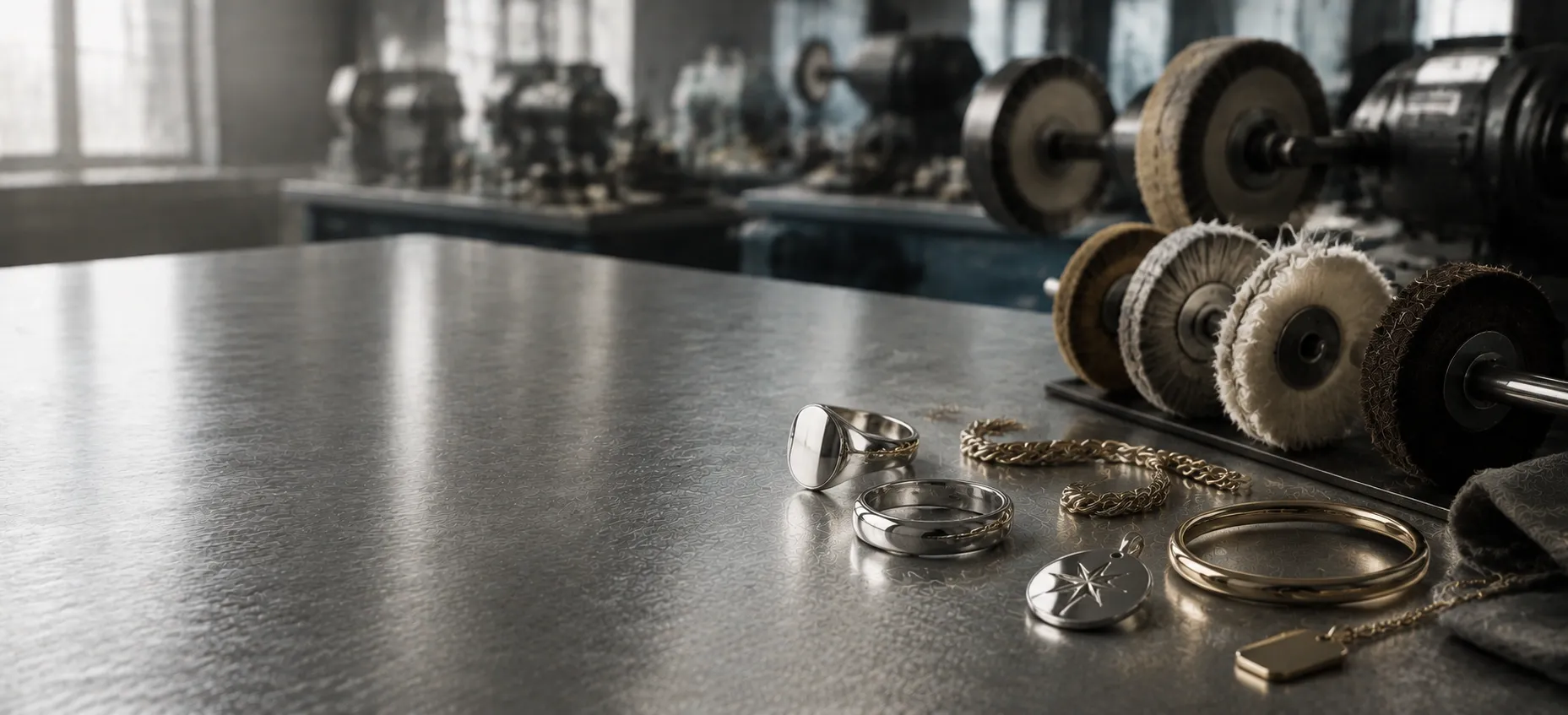
Polishing and finishing
Surface material is removed progressively by abrasives — in bulk by vibratory and magnetic media, or by hand at a bench wheel — until the specified finish is reached.
- Tolerance
- Removes 0.01–0.05 mm
- Min. wall
- Adds no material — thin sections can be polished through
- Tooling
- None
- Batch fit
- Any quantity
How it works
Surface material is removed progressively by abrasives — in bulk by vibratory and magnetic media, or by hand at a bench wheel — until the specified finish is reached.
Mirror, satin, brushed, bead-blast and matte finishes on any metal are the work this route is chosen for. It runs on All and suits any quantity.
Production steps
Each step below is a separate labour operation, and labour is priced per operation rather than per piece. That is why a 6-step route costs what it does.
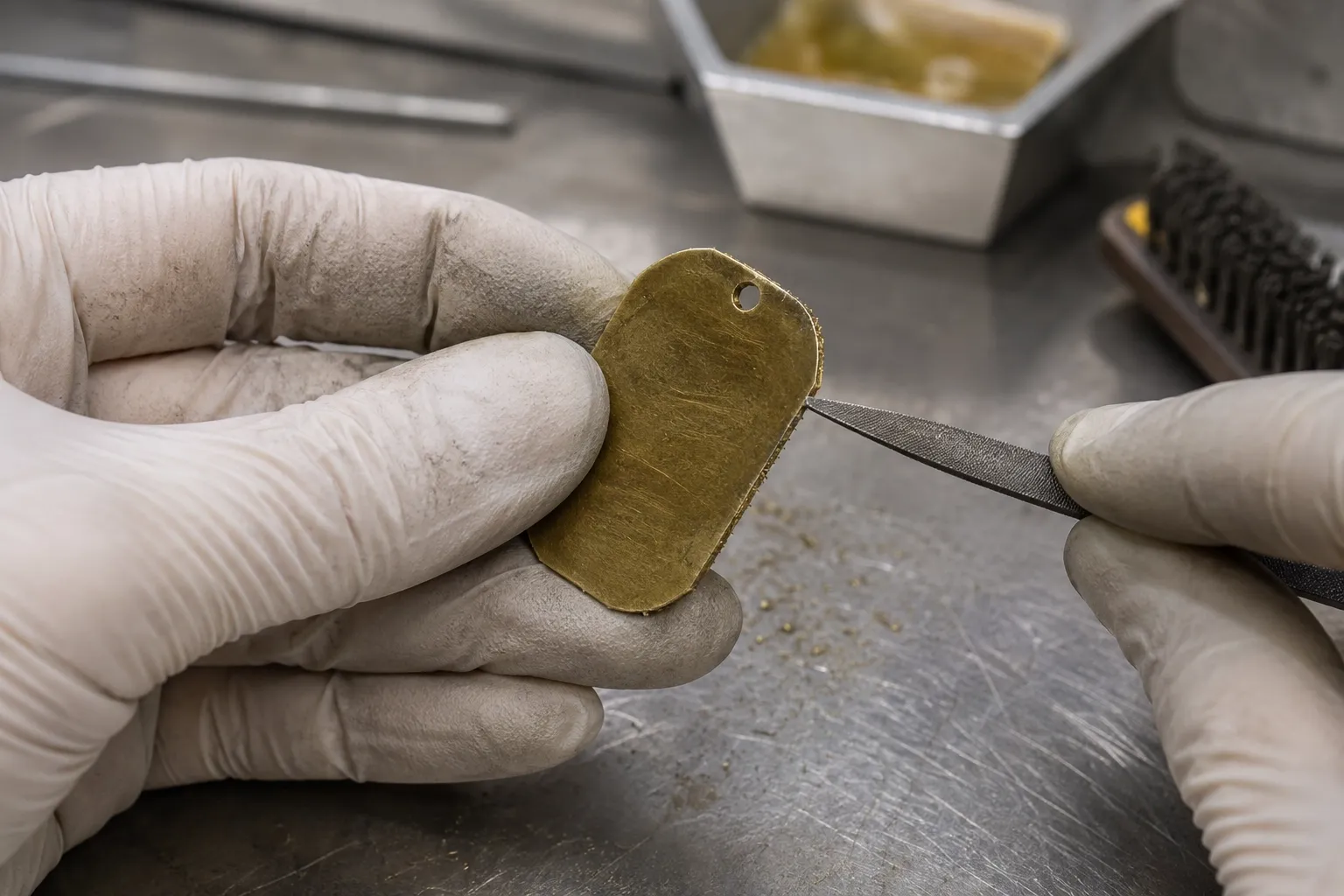
Deburr and remove sprue or press marks 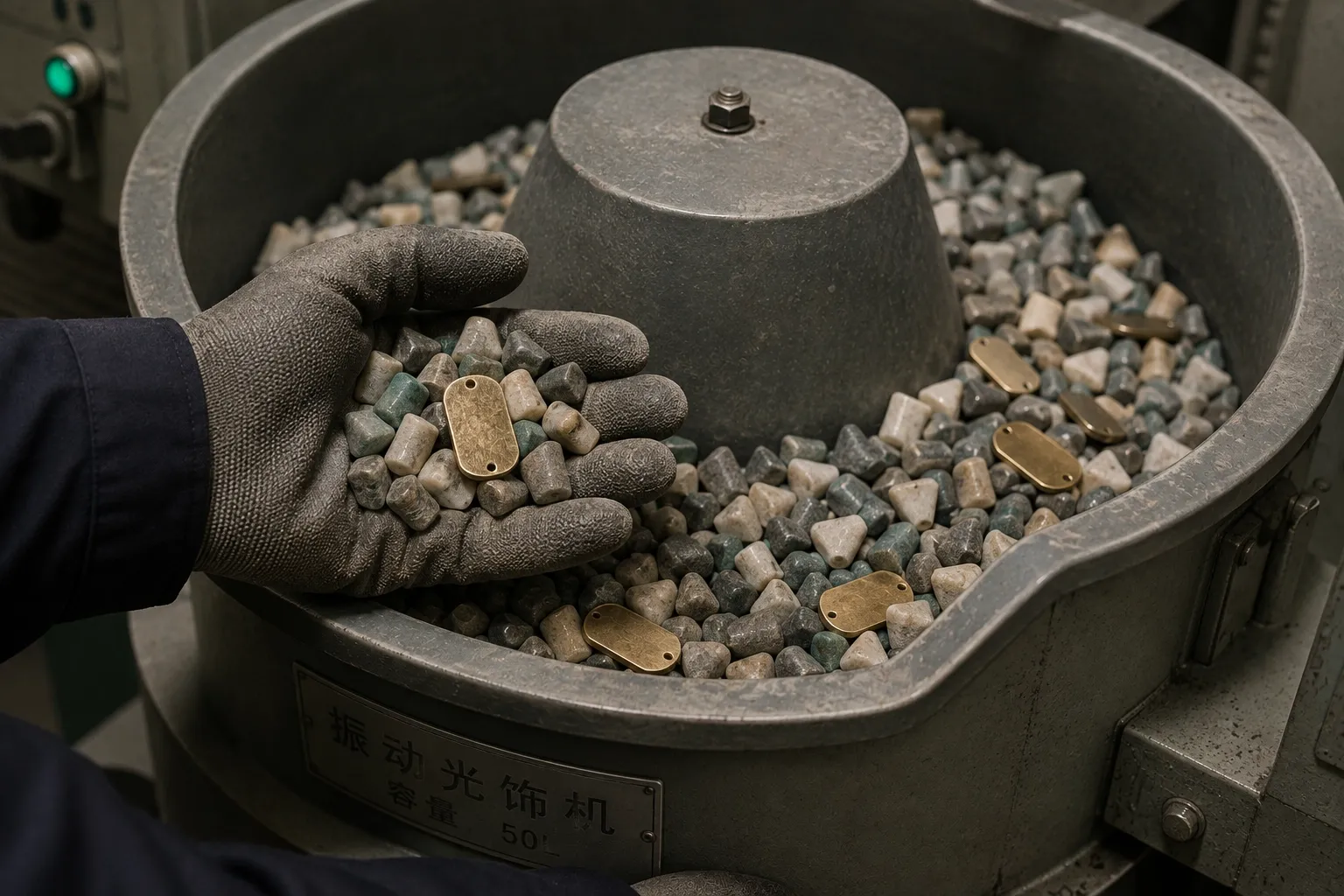
Bulk tumble in ceramic or steel media 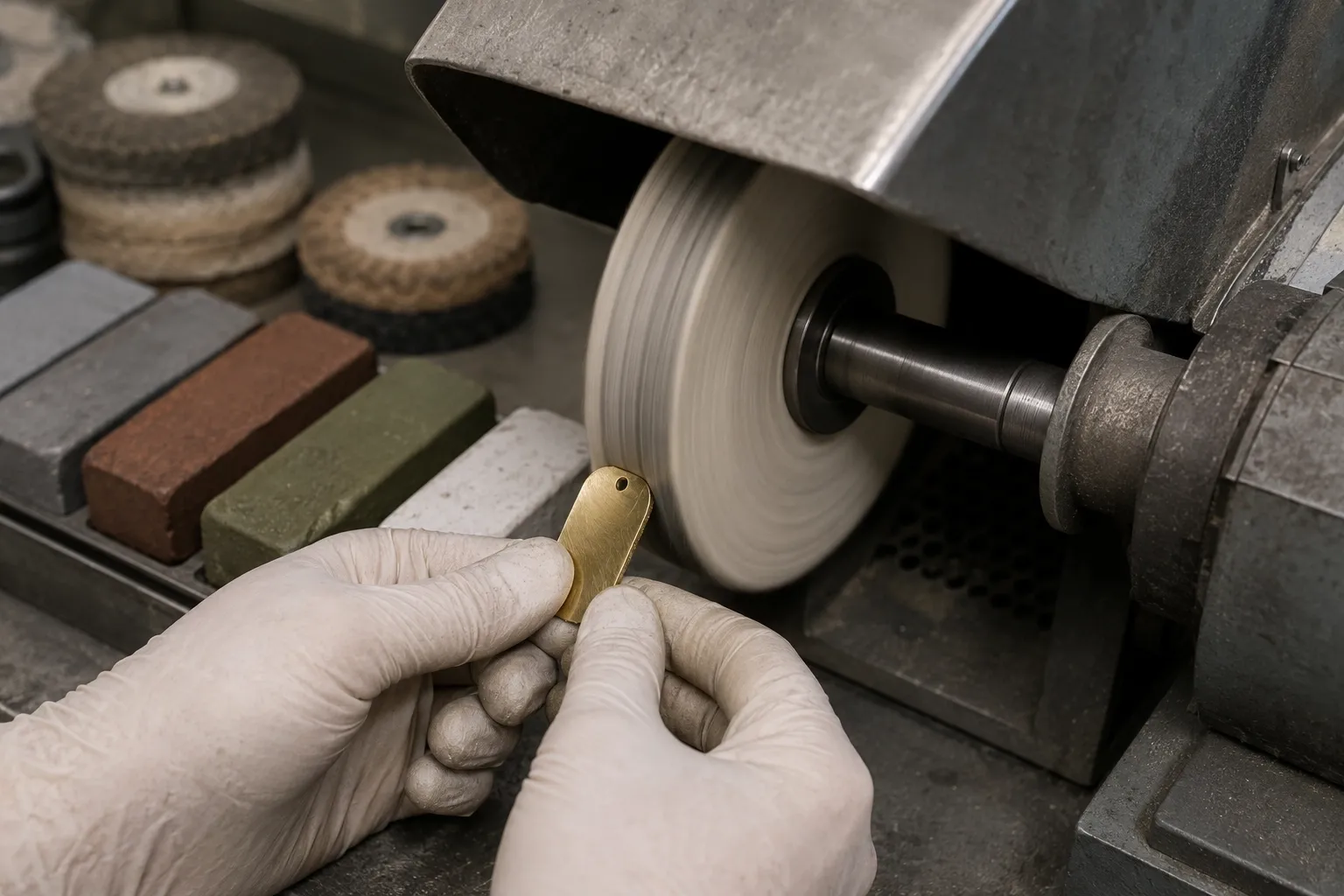
Bench pre-polish on graded wheels 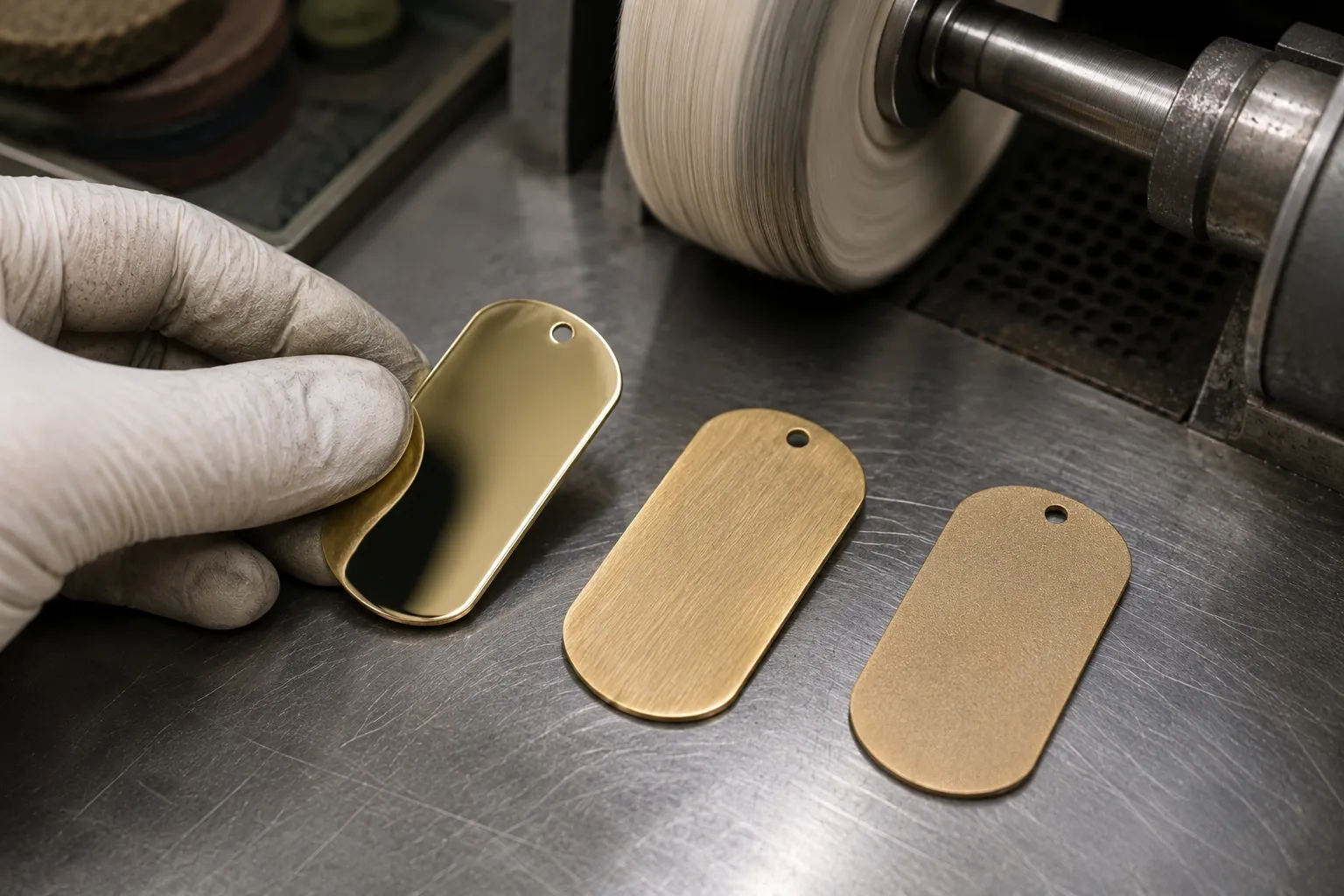
Final polish, satin brush or bead blast to the specified finish 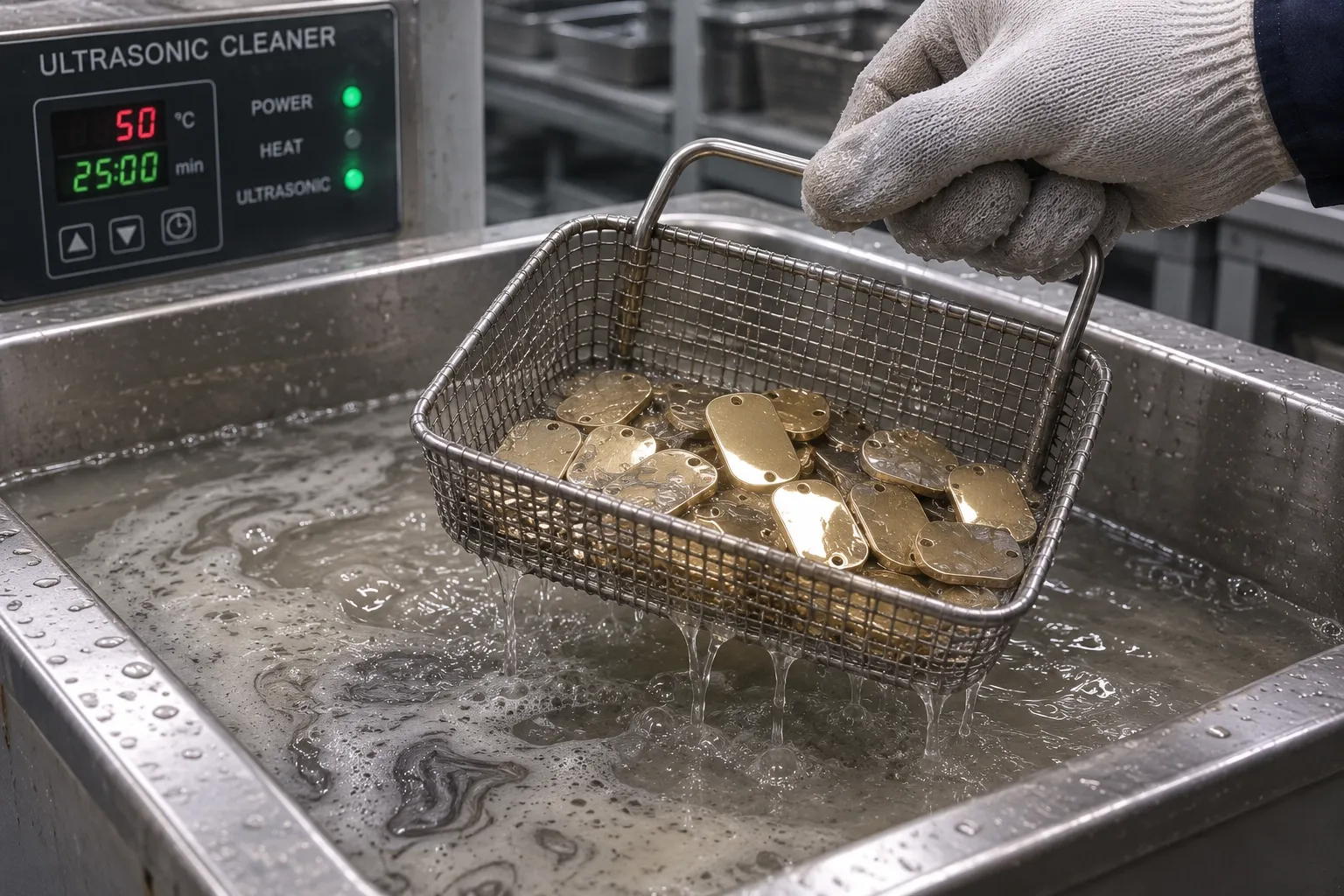
Ultrasonic clean to remove all compound 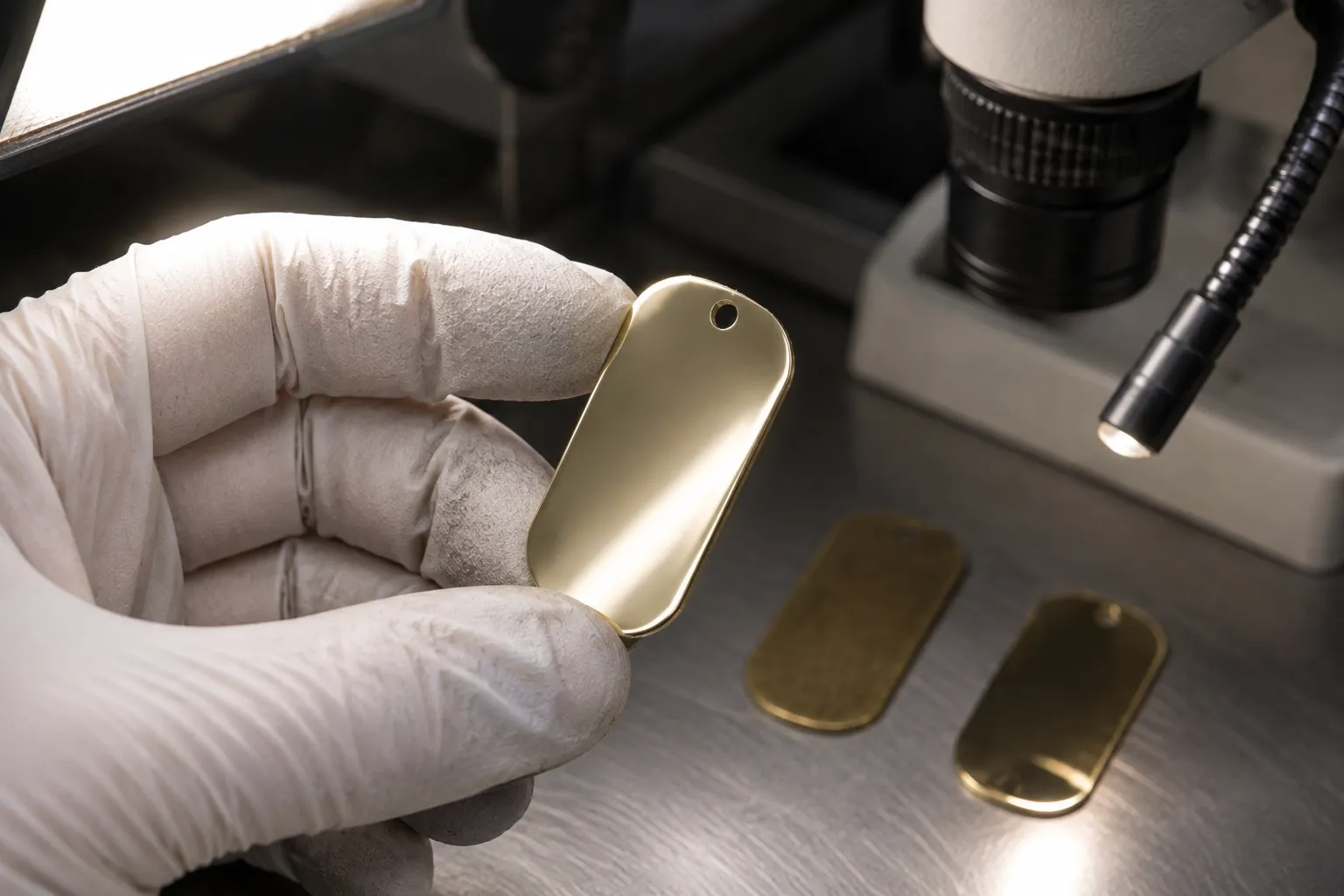
Inspection before plating
Process parameters
These are engineering properties of the process itself. They hold at any competent factory and can be checked against a manufacturing reference.
| Dimensional tolerance | Removes 0.01–0.05 mm |
|---|---|
| Minimum wall / section | Adds no material — thin sections can be polished through |
| Tooling cost | None |
| Suited to | Any quantity |
| Cycle time | 1–2 days per batch |
| Materials accepted | All |
Tooling ranges are industry-typical. A firm figure is quoted against your CAD file — see the cost breakdown.
Polishing vs PVD coating
Polishing is a mechanical finish with nothing to fail; PVD adds colour and hardness on top. Every PVD part is polished first — coating magnifies a poor surface rather than hiding it.
Compare with pvd coating →Materials and categories this suits
Process, material and product category are one decision seen from three sides. These are the combinations that actually work.
What to watch out for
Polishing and finishing — buyer questions
Each answer stands alone and can be read without the rest of this page.
What tolerance can polishing and finishing hold?
Polishing and finishing holds Removes 0.01–0.05 mm on production parts, with a minimum wall or section of Adds no material — thin sections can be polished through. Surface material is removed progressively by abrasives — in bulk by vibratory and magnetic media, or by hand at a bench wheel — until the specified finish is reached. Tighter tolerances than this normally mean a secondary machining operation rather than a change to the primary process.
How much does tooling cost for polishing and finishing?
Tooling for this route is none, quoted as a one-off line and invoiced separately from the unit price. The buyer owns the tooling and it is not charged again on a reorder. Full tooling ranges for every route are on the manufacturing cost page.
What order quantity does polishing and finishing suit?
This route suits any quantity. Below that range the setup cost dominates the unit price; above it, a different route is usually cheaper per piece. Polishing is a mechanical finish with nothing to fail; PVD adds colour and hardness on top. Every PVD part is polished first — coating magnifies a poor surface rather than hiding it.
Which metals can be processed this way?
All. Plating and PVD amplify whatever surface they land on. A scratch left before coating is a visible scratch after coating, and no plating thickness will bury it.
Polishing or pvd coating — which is right for my design?
Polishing is a mechanical finish with nothing to fail; PVD adds colour and hardness on top. Every PVD part is polished first — coating magnifies a poor surface rather than hiding it.
Not answered here? All buyer questions →
Quote a polishing run
Send the CAD file or a sketch. You get the tooling cost as its own line, the unit price at your quantity, and a straight answer on whether polishing is the right route for the design — we will say so if it is not. Production runs in Qingxi, Dongguan, Guangdong.
- 01Reply within one working day, Guangdong business hours.
- 02Itemised cost sheet — mold quoted separately, not folded into the unit price.
- 03NDA on request before any file is shared.