
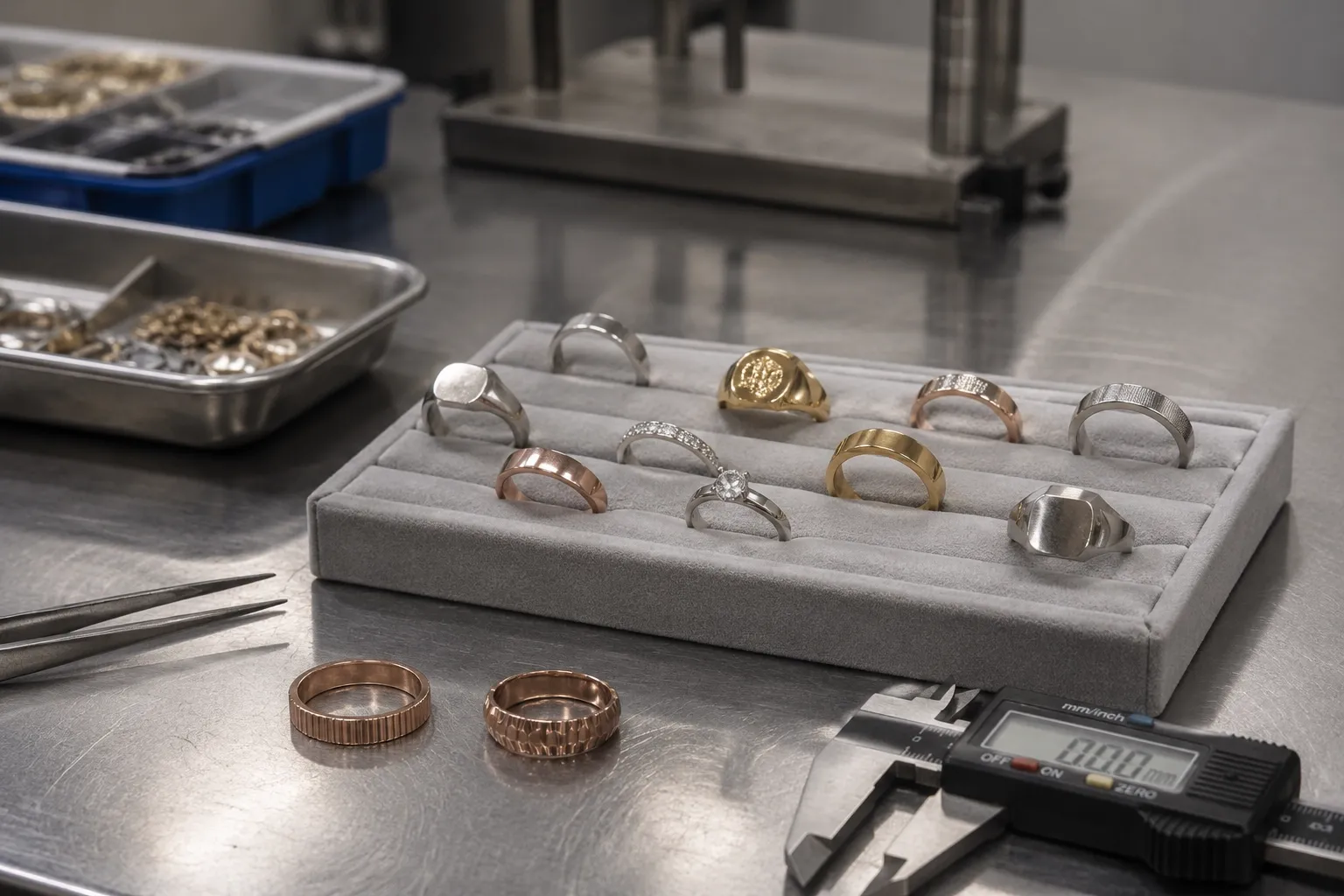
Custom rings
Rings carry more wear per square millimetre than any other jewelry category — they are knocked, submerged and worn continuously — so the material and finish decision matters more here than anywhere else in a range.
- MOQ
- 500 pcs per style, per plating colour
- Sampling
- 10 days from approved 3D file
- Bulk production
- 25 days after sample approval
- Tooling
- Quoted as a separate one-off line — see cost breakdown
Styles we produce
Rings carry more wear per square millimetre than any other jewelry category — they are knocked, submerged and worn continuously — so the material and finish decision matters more here than anywhere else in a range. Each style below is produced from the buyer's own design or developed from a reference under ODM.
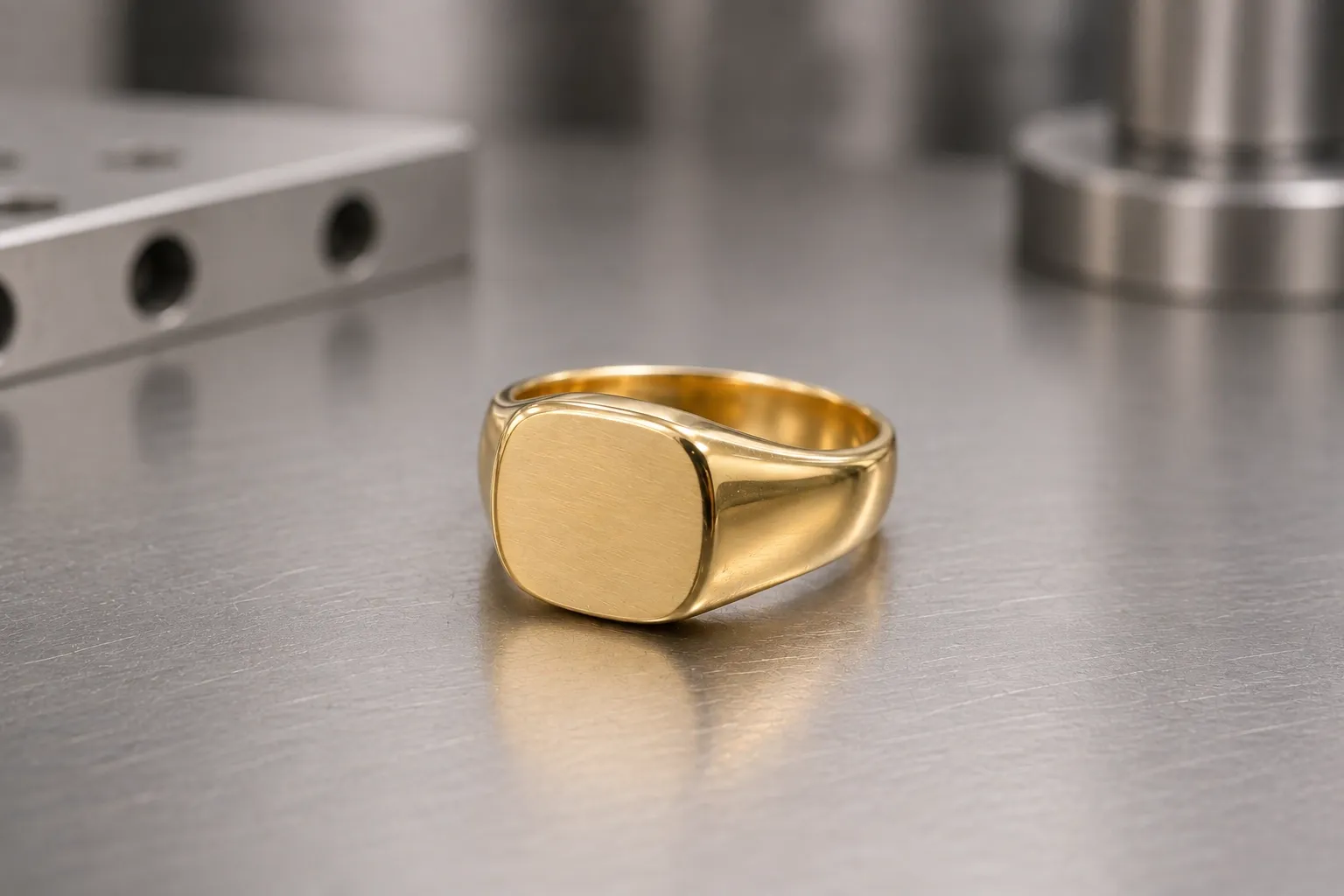
01Signet 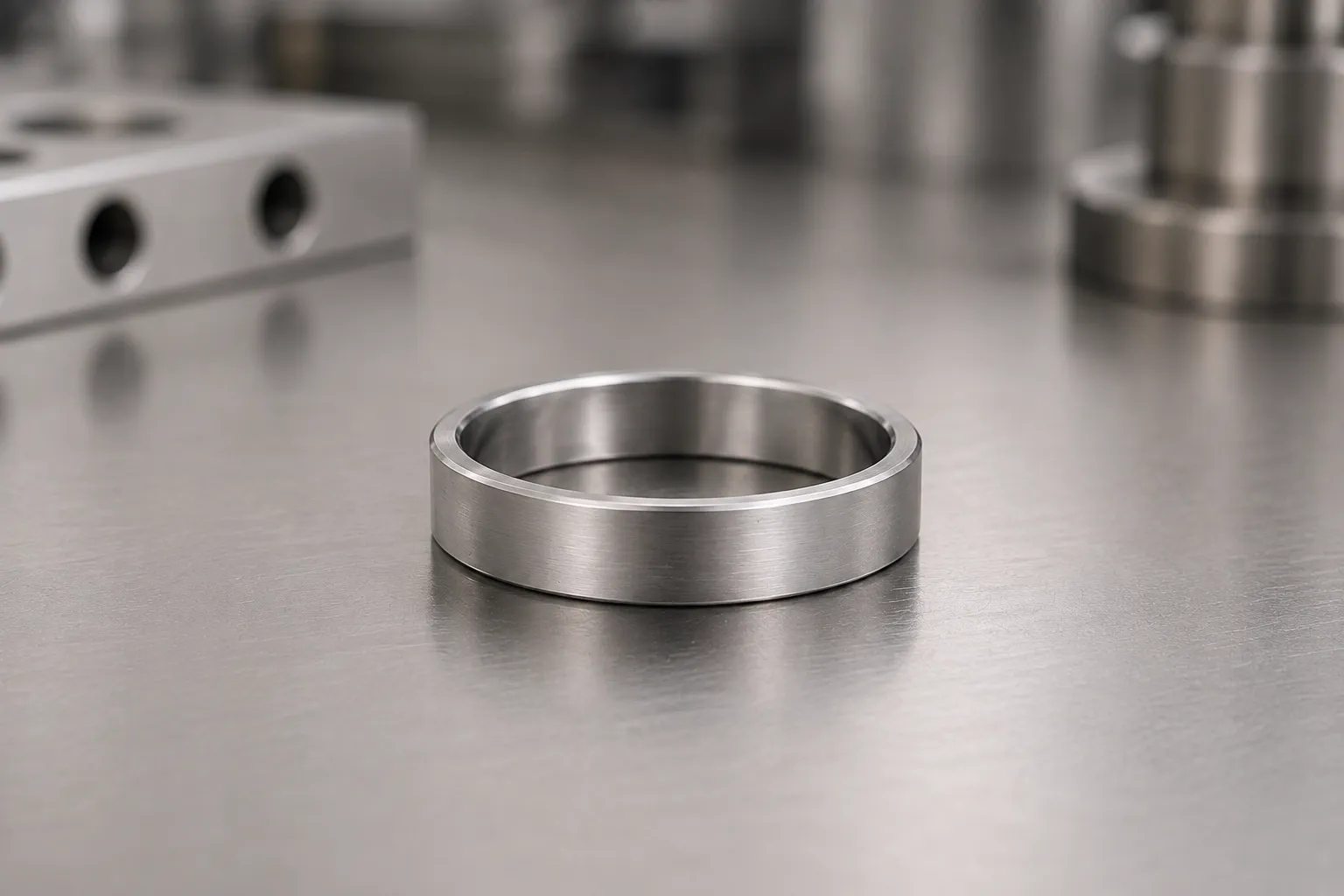
02Plain band 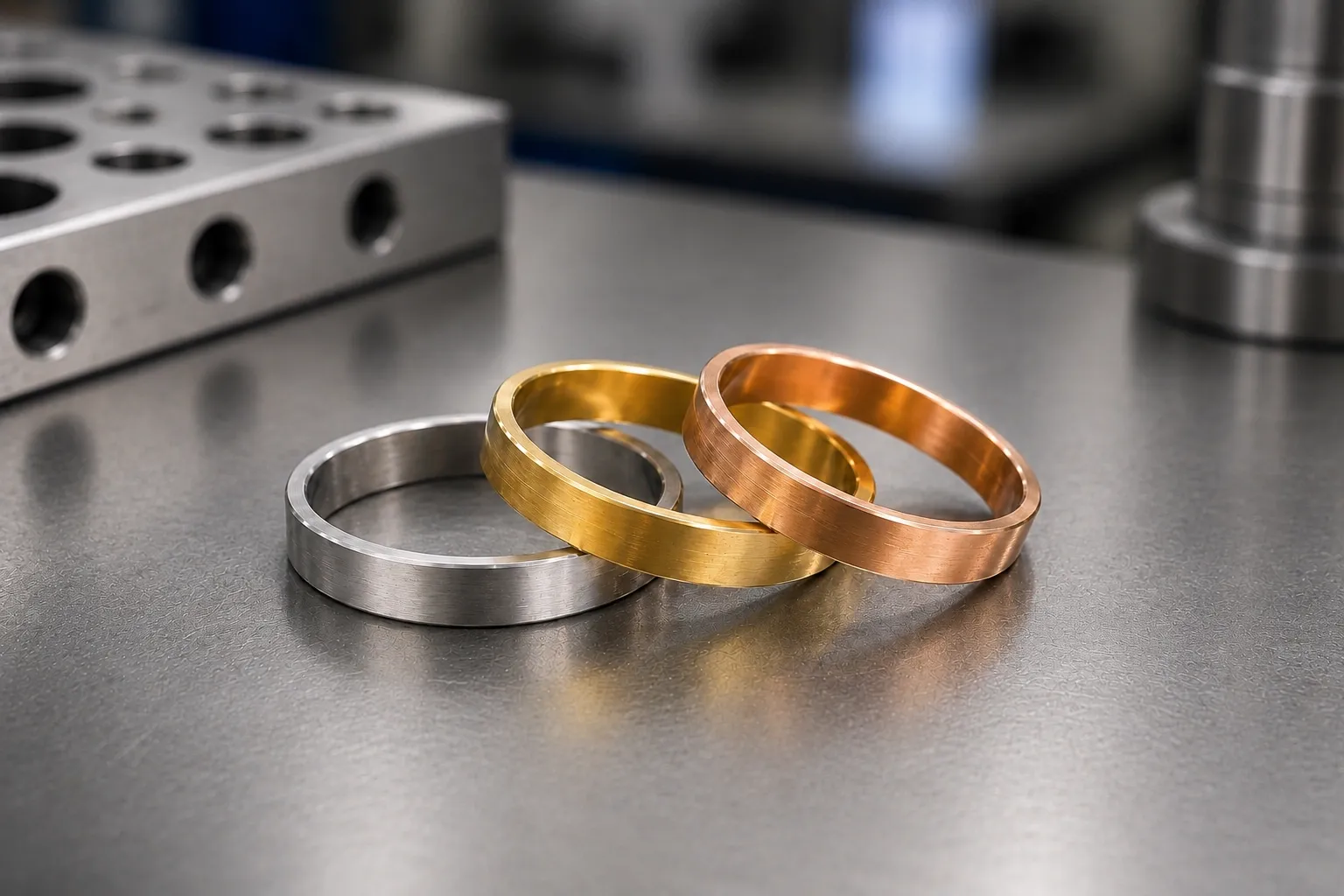
03Stacking 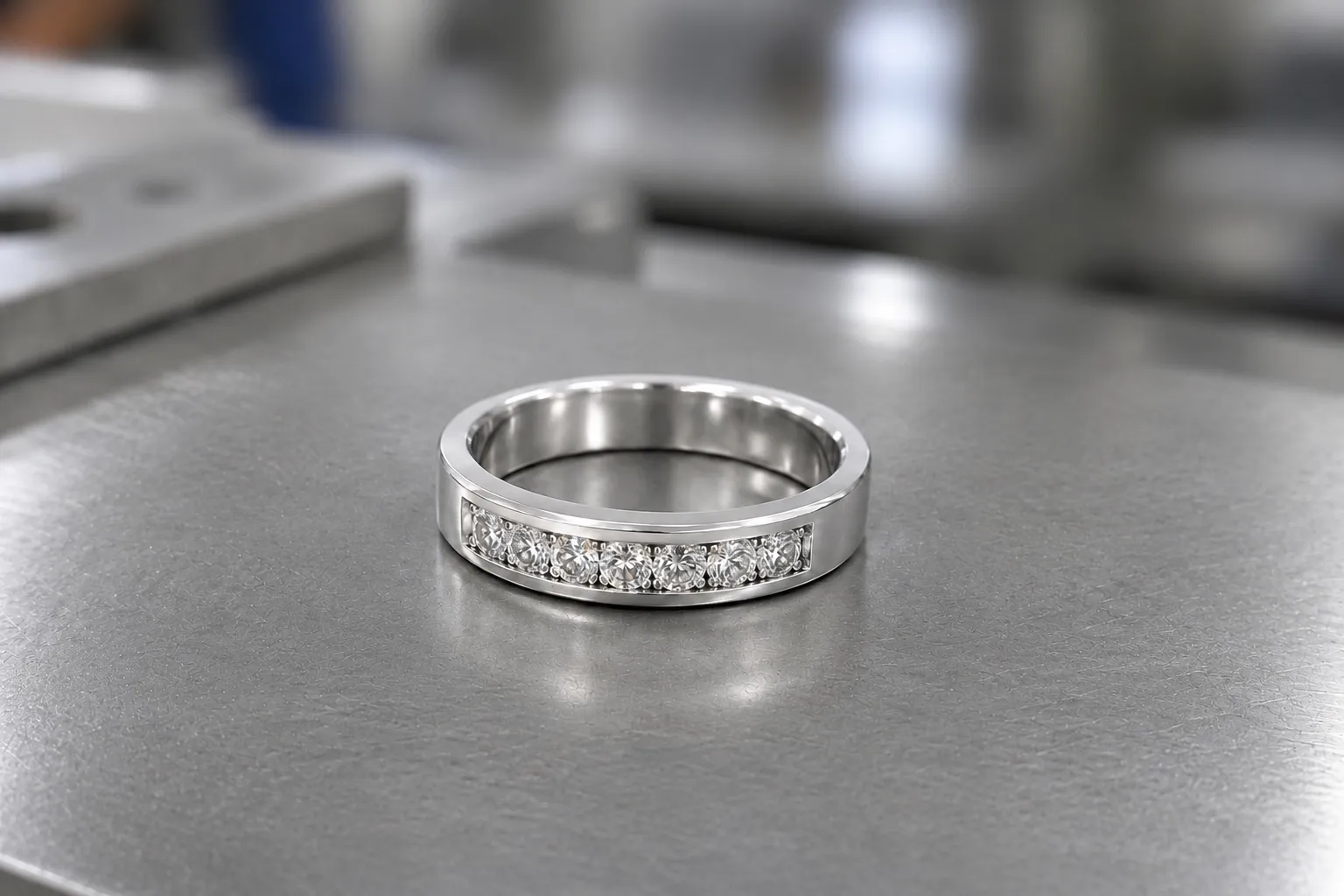
04Stone-set 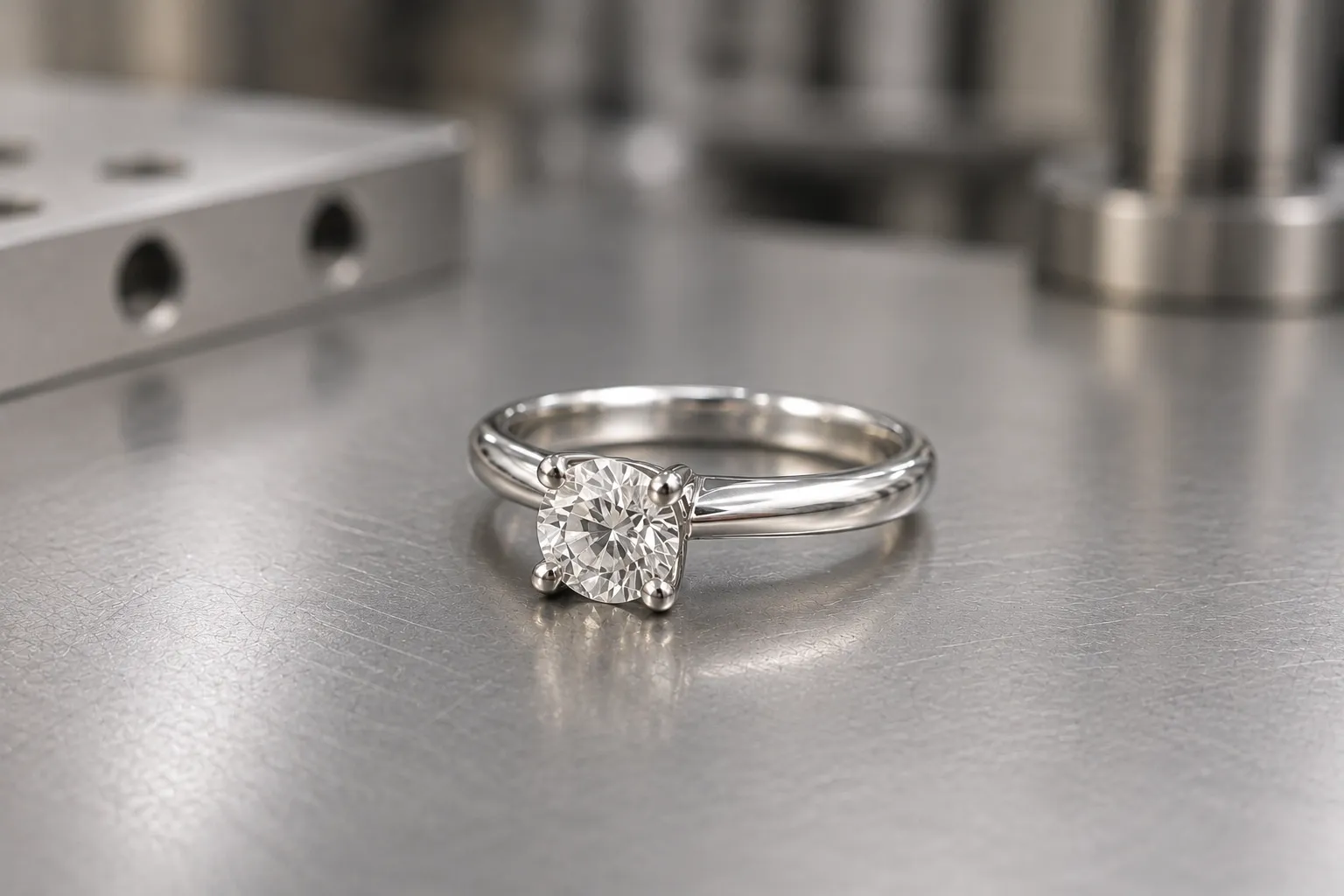
05Solitaire 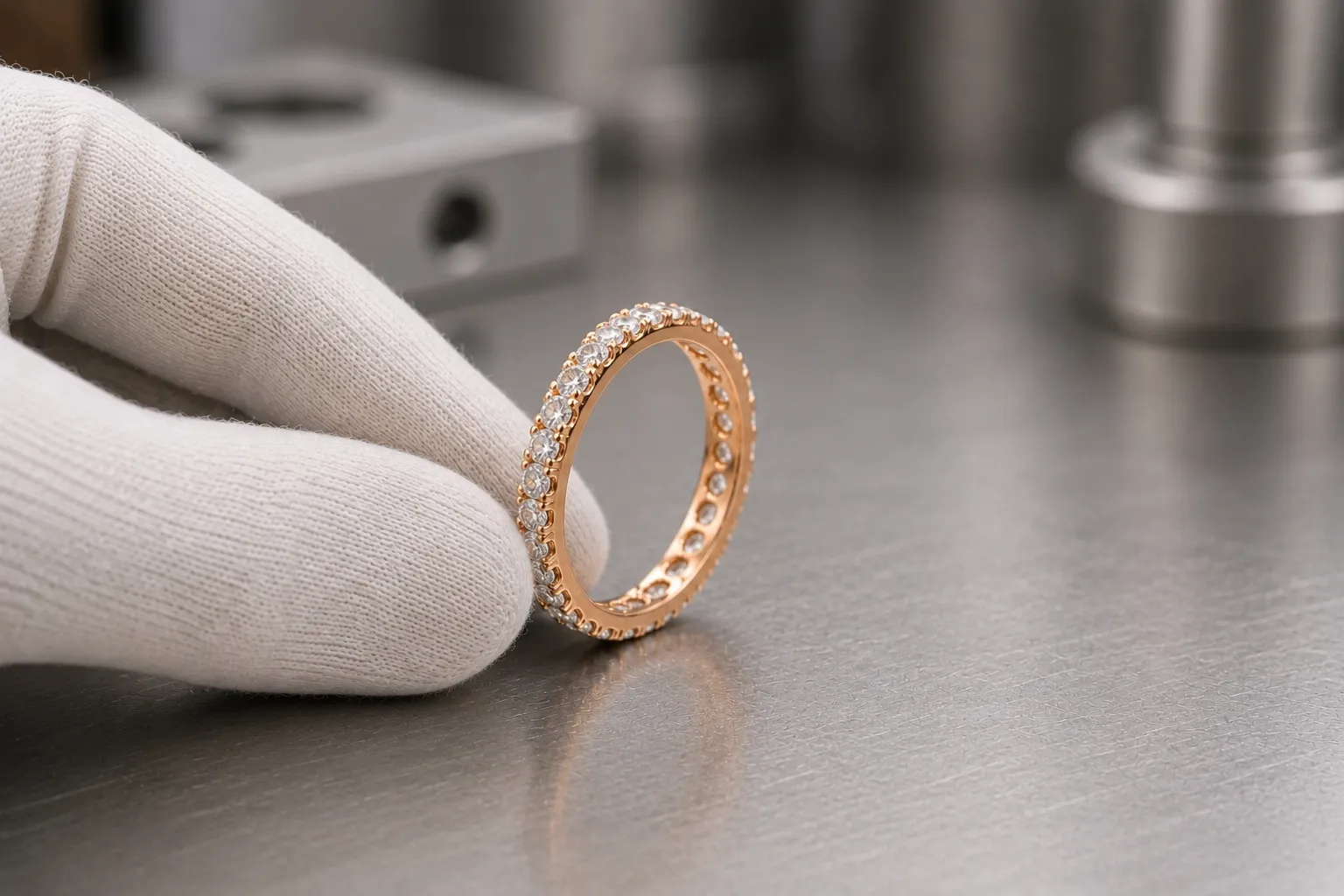
06Eternity 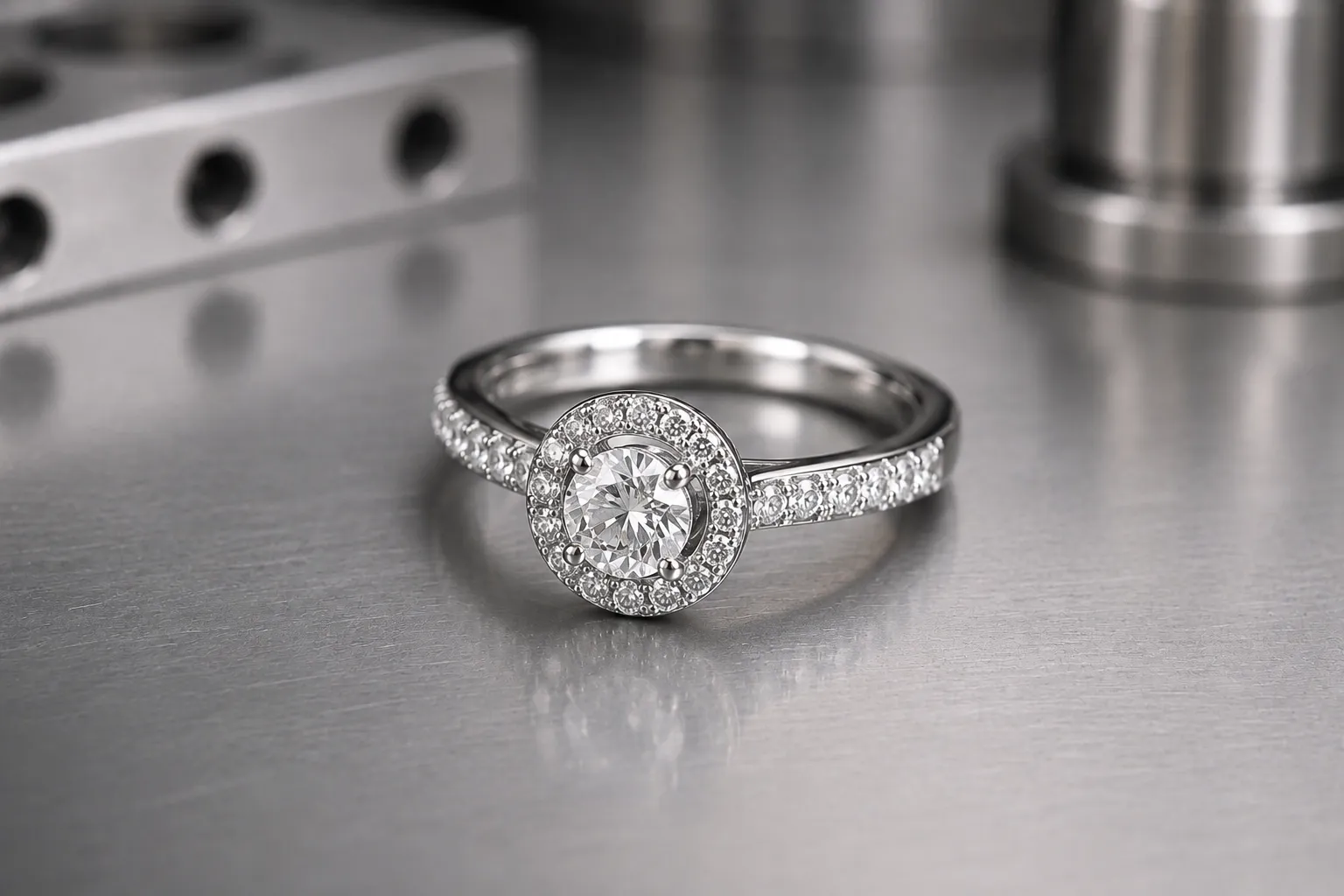
07Halo 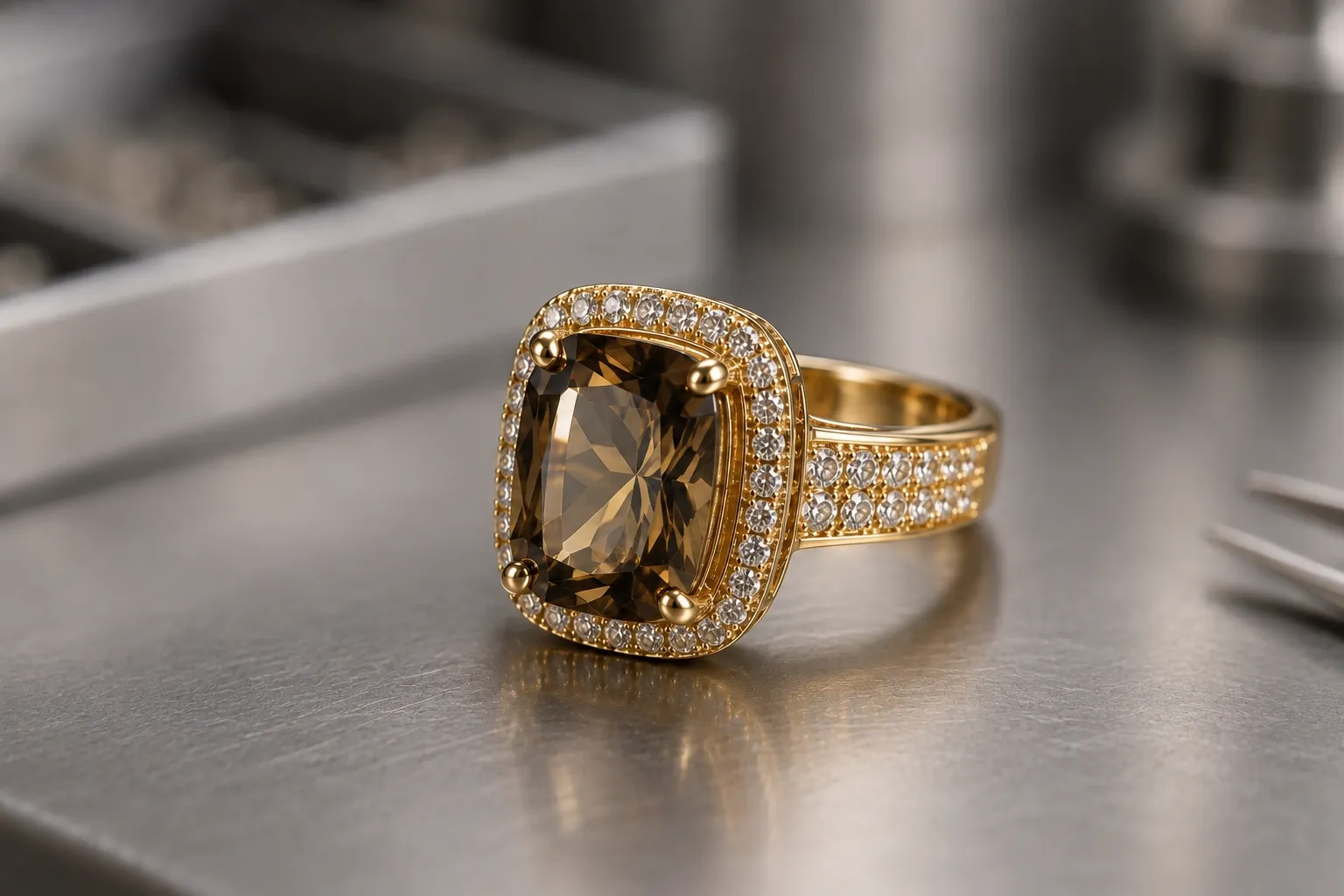
08Cocktail 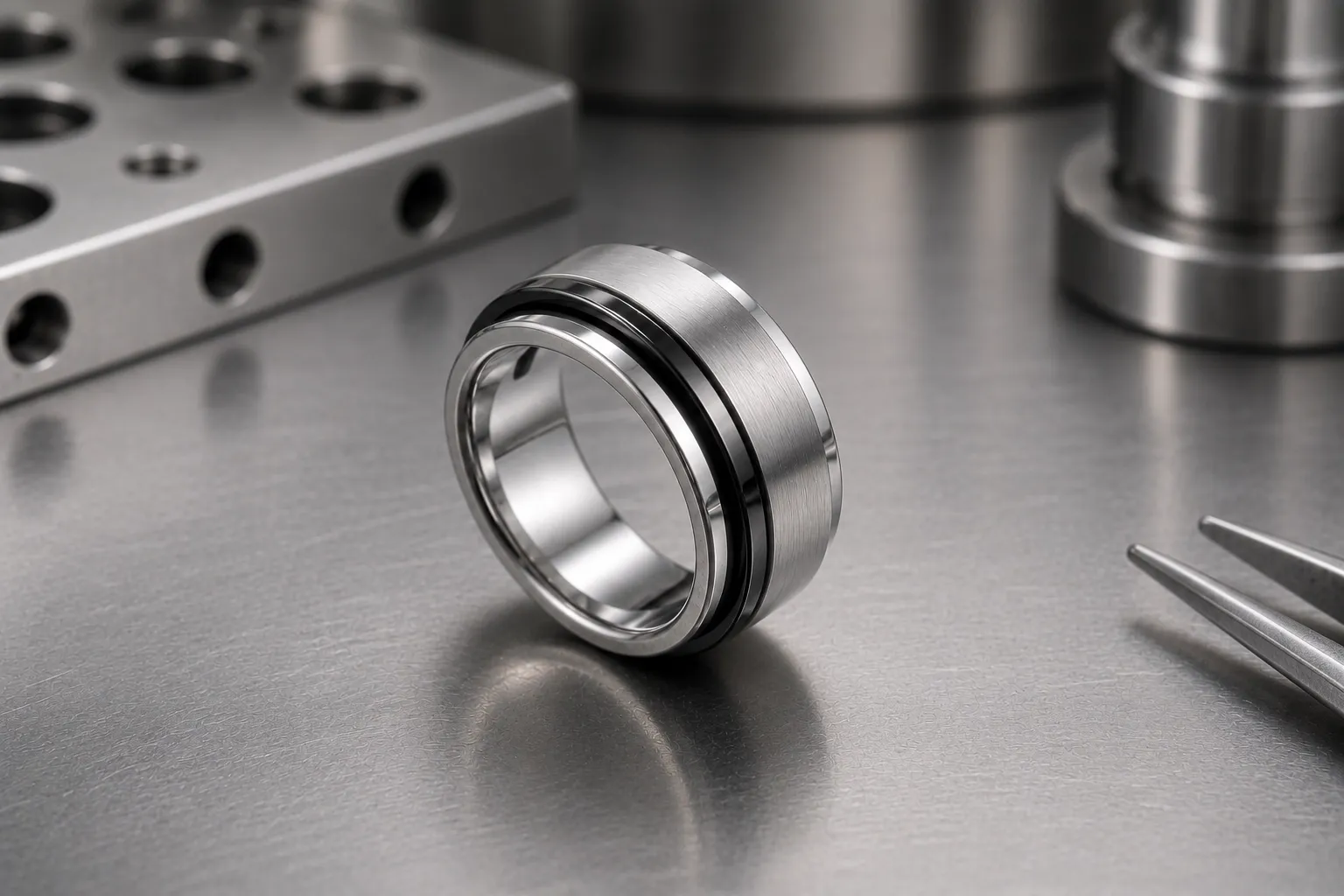
09Spinner 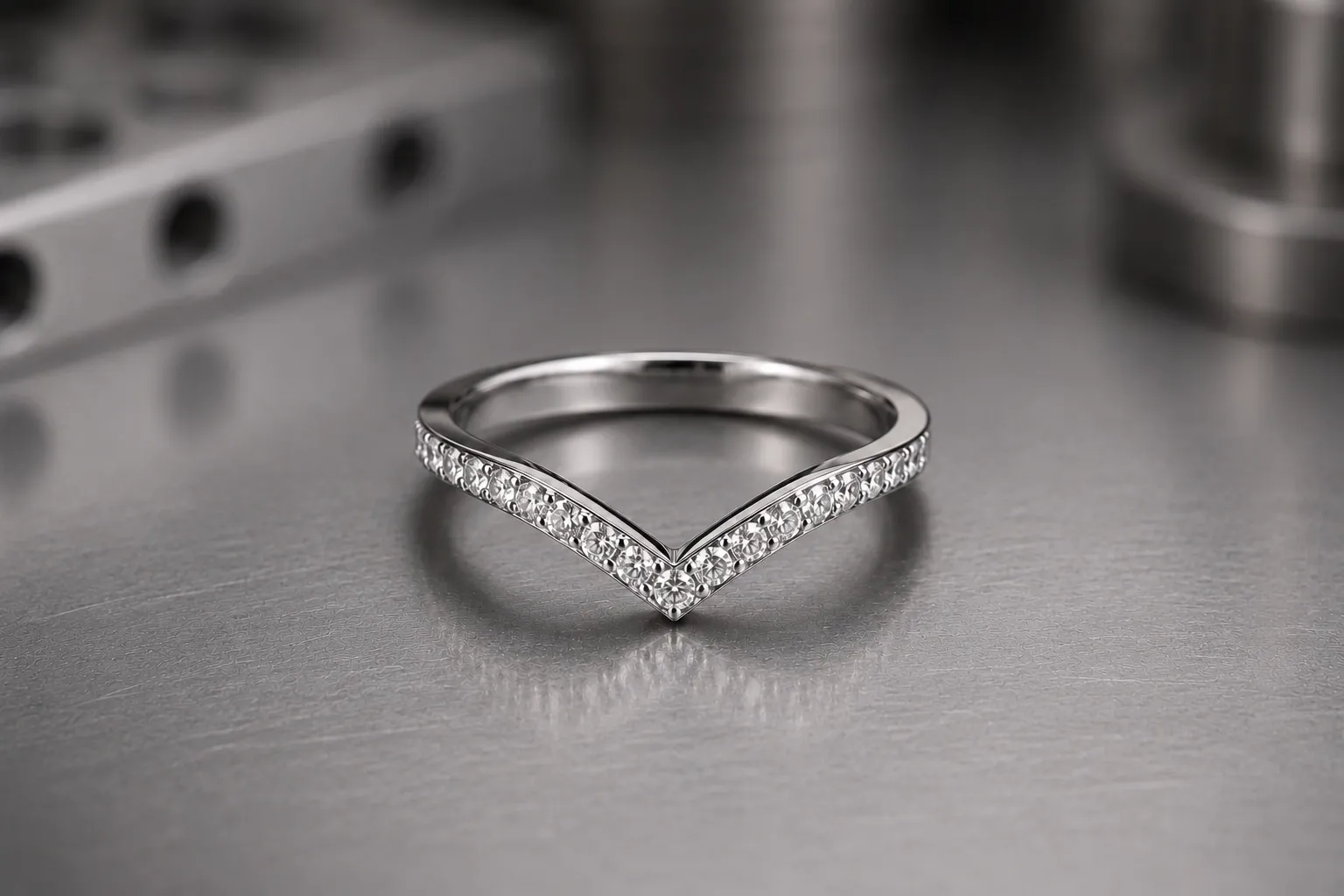
10Chevron 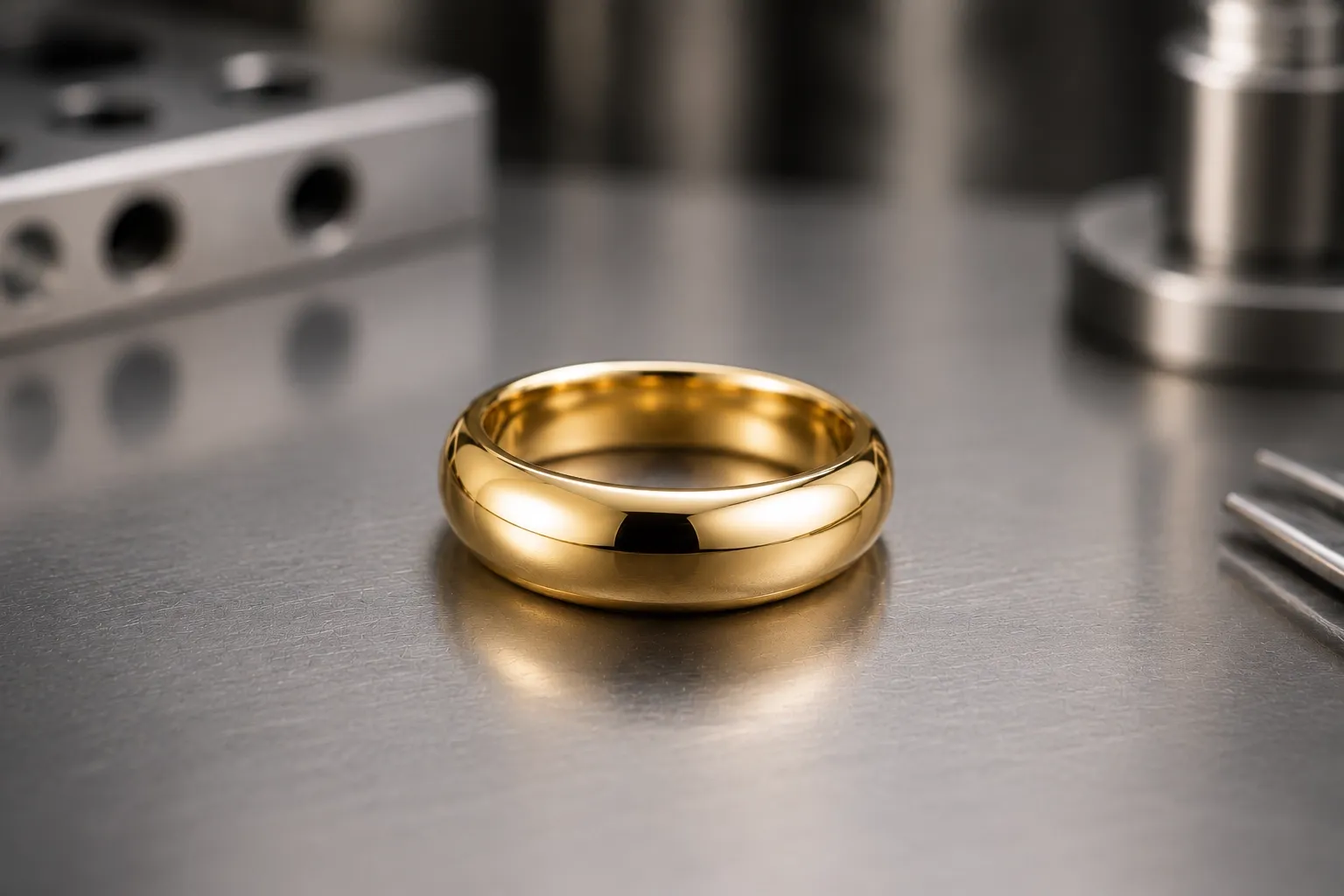
11Dome 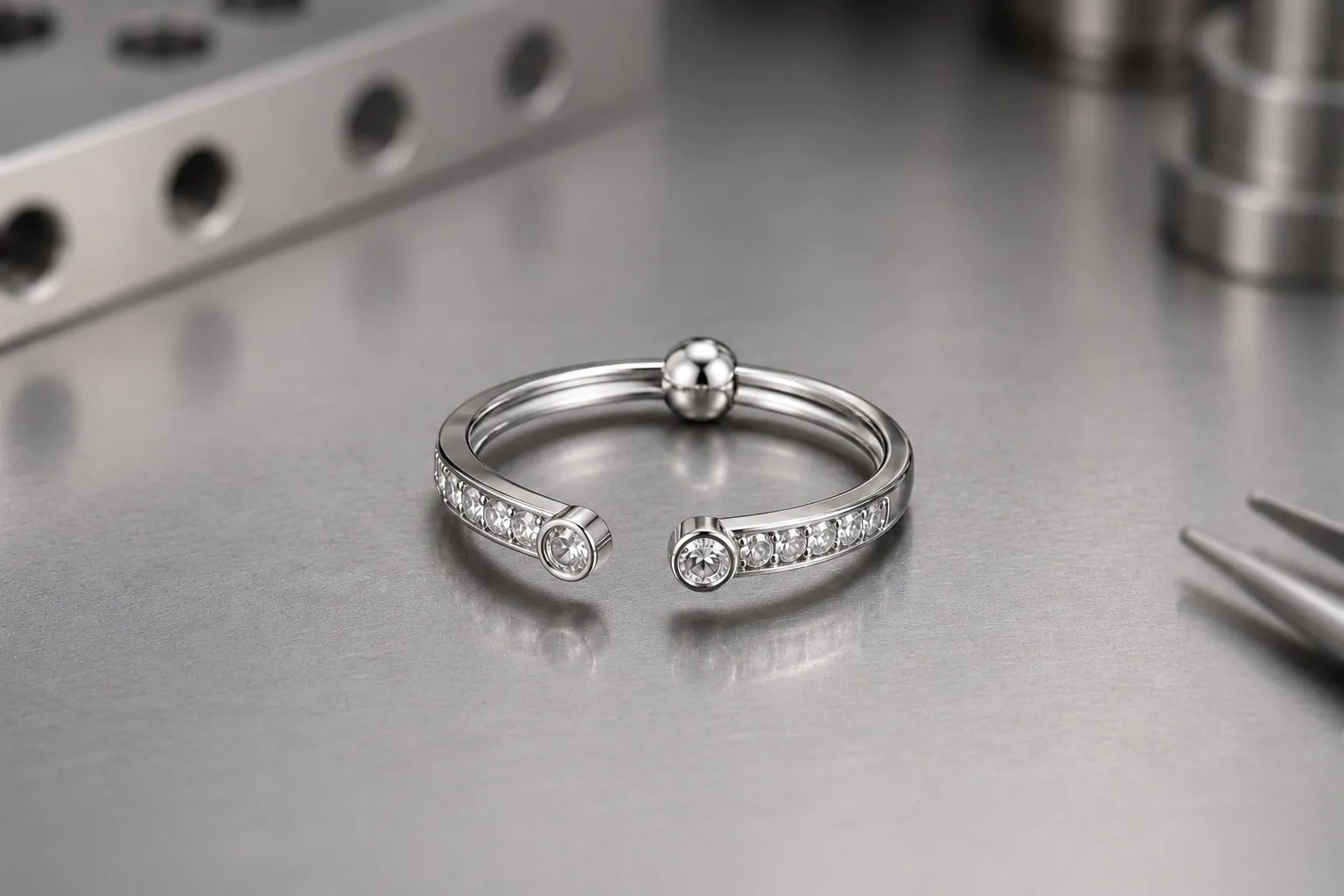
12Adjustable
Swipe · 12 styles
Material options
Ranked by how well each metal suits this category specifically, not by price. Follow any row through to the full property table for that alloy.
| Material | Why it suits this category |
|---|---|
| 316L stainless steel | Hardest wearing, no plating required, lowest returns rate |
| Titanium | Lightest, nickel-free — but cannot be resized after production |
| 925 silver | Takes fine detail and stone setting; tarnishes unless rhodium plated |
| Brass | Cheapest route to a gold look, but must be plated and will wear through |
Process options
The forming and finishing routes that apply to this shape, with what each contributes. Tolerances and tooling costs are on the individual process pages.
| Process | What it contributes |
|---|---|
| CNC machining | Plain and channel-set bands, ±0.02 mm |
| Lost-wax casting | Signet faces with relief, organic forms |
| Stamping | Flat bands and blanks at volume |
| PVD coating | Gold and black that survives daily wear |
Sizing and specification
These are the dimensions a quotation needs. Sending them with the first enquiry is the difference between a one-day quote and a two-week conversation.
| Size range | US 4–14 · UK H–Z+4 · EU 47–73 |
|---|---|
| Band width | 2–12 mm |
| Band thickness | 1.2–2.5 mm |
| Comfort fit | Domed interior, adds ~0.25 size |
| Size tolerance | ±0.25 US size |
Customisation
- Interior laser engraving — names, dates, coordinates
- Exterior logo stamping or engraving
- Stone setting: prong, bezel, channel, pavé
- Two-tone finishes by masked plating
- Size runs — specify the distribution, not just the total
Order terms
The same terms apply across every category. Tooling is always quoted as its own one-off line and is never amortised into the unit price.
| MOQ | 500 pcs per style, per plating colour |
|---|---|
| Sampling | 10 days from approved 3D file |
| Bulk production | 25 days after sample approval |
| Tooling | Quoted as a separate one-off line — see cost breakdown |
Compliance for this category
Different product shapes are held to different limits. This is the one that applies here.
Testing is arranged on request against whichever standards the destination market requires. Which tests apply, what they cost and how long they take is confirmed in writing in the quotation — see EN 1811 nickel releaseand Prop 65.
What to watch out for
Custom rings — buyer questions
Each answer stands alone and can be read without the rest of this page.
What is the minimum order quantity for custom rings?
500 pieces per style, per plating colour. The per-colour part matters: each finish is a separate production batch with its own setup, so three colours of one design is three batches of 500, not one. Sampling takes about 10 days and bulk production about 25 days after sample approval.
Which metal is best for rings?
316L stainless steel is the usual first choice — hardest wearing, no plating required, lowest returns rate. Titanium is the alternative where lightest, nickel-free — but cannot be resized after production. The decision is rarely about appearance, because plating can make most metals look alike; it is about how the piece behaves after six months of wear.
What compliance standard applies to rings?
Rings sit in prolonged skin contact, so the EU limit under REACH Annex XVII entry 27 is 0.5 µg/cm²/week of nickel release, tested to EN 1811 after EN 12472 wear simulation. That is the looser of the two EU limits — the 0.2 µg/cm²/week figure applies to pierced-ear items, not rings.
What sizing information do you need to quote rings?
size range (US 4–14 · UK H–Z+4 · EU 47–73), band width (2–12 mm), band thickness (1.2–2.5 mm) and the finish. Sending these with the first enquiry is what turns a two-week back-and-forth into a one-day quotation, because each of them changes either the tooling or the unit price.
Can you produce rings from my own design files?
Yes — that is the normal route. Send CAD (.stl, .3dm, .step) or a dimensioned sketch and an engineer reviews it for manufacturability before quoting, flagging anything that will not produce as drawn. The buyer owns the design and the tooling, and an NDA is signed before files are received.
What is the most common mistake buyers make ordering rings?
Ordering a single size for a whole run. Ring size distribution is not flat — a US women's range typically peaks at 6–7 and a men's at 9–11 — and a size run agreed after production has started means a second setup. Specify the distribution in the purchase order.
Not answered here? All buyer questions →
On the floor
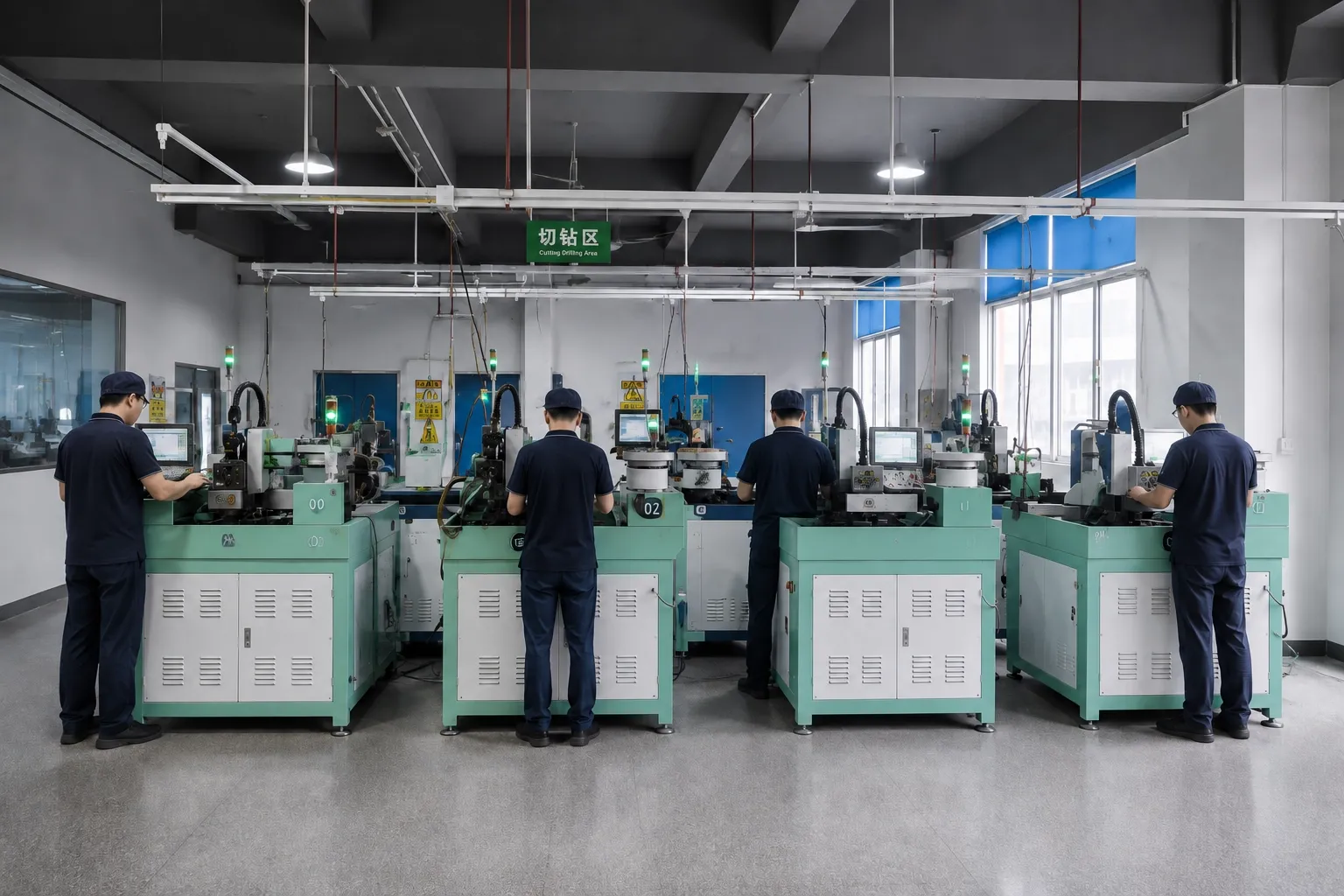
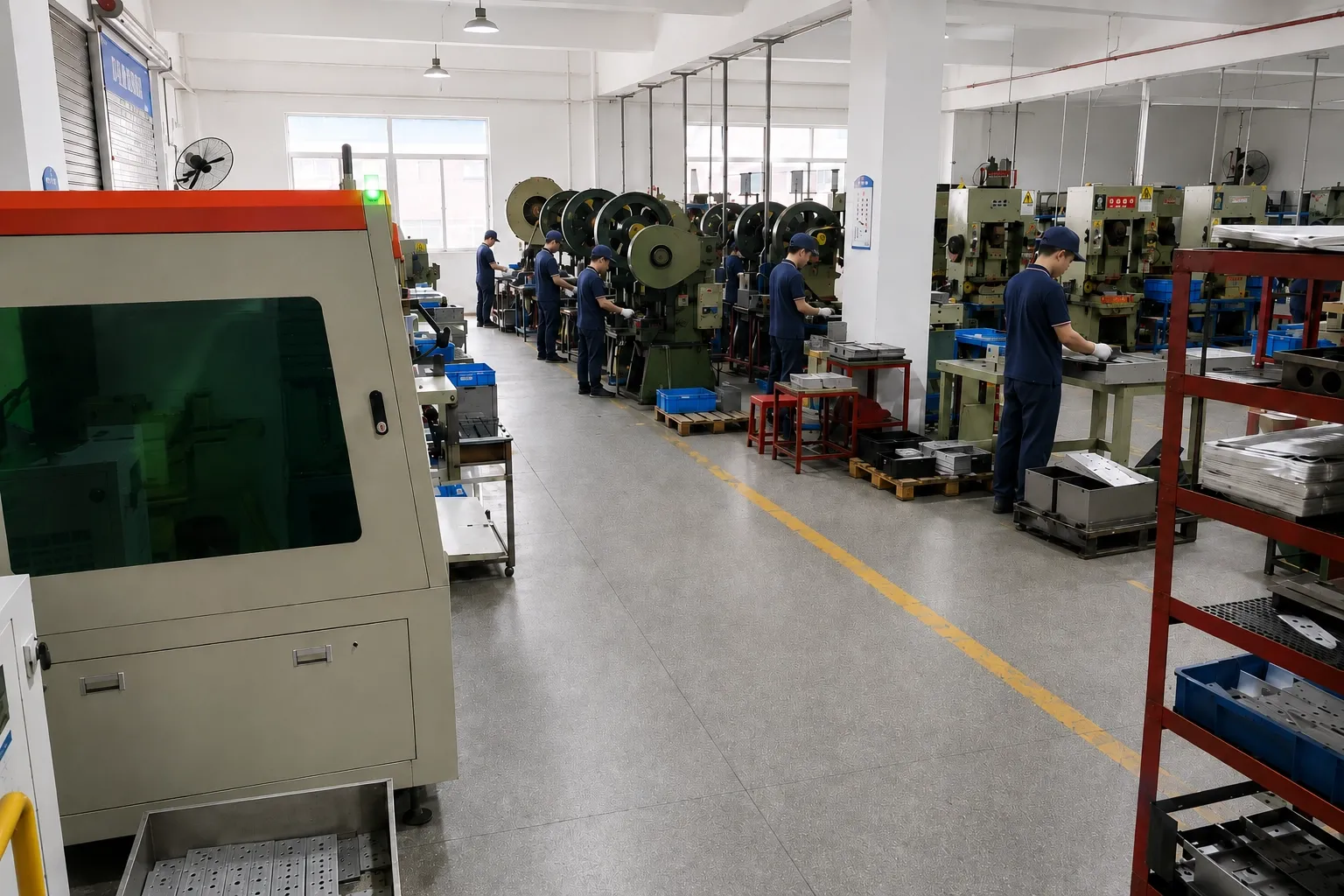
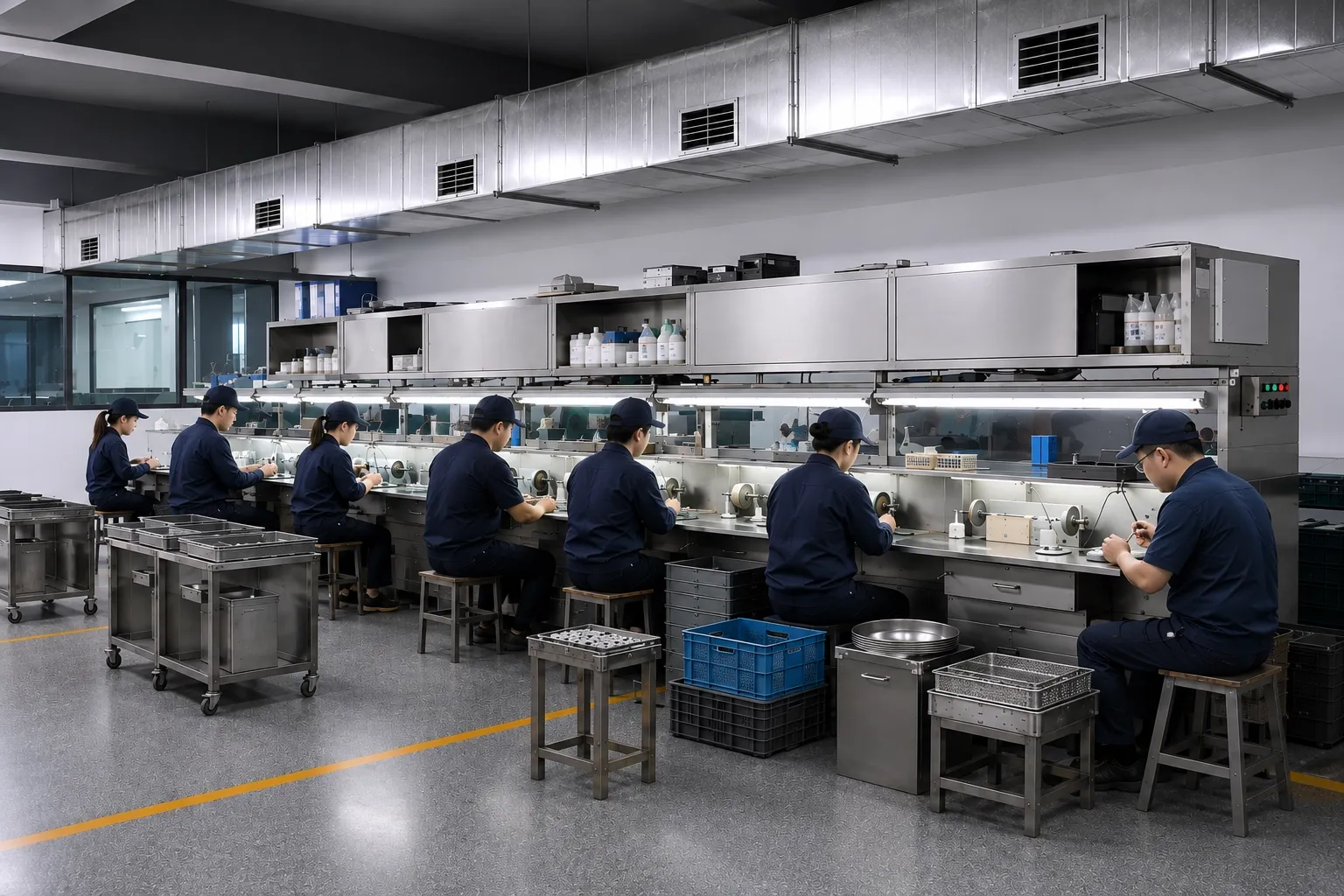
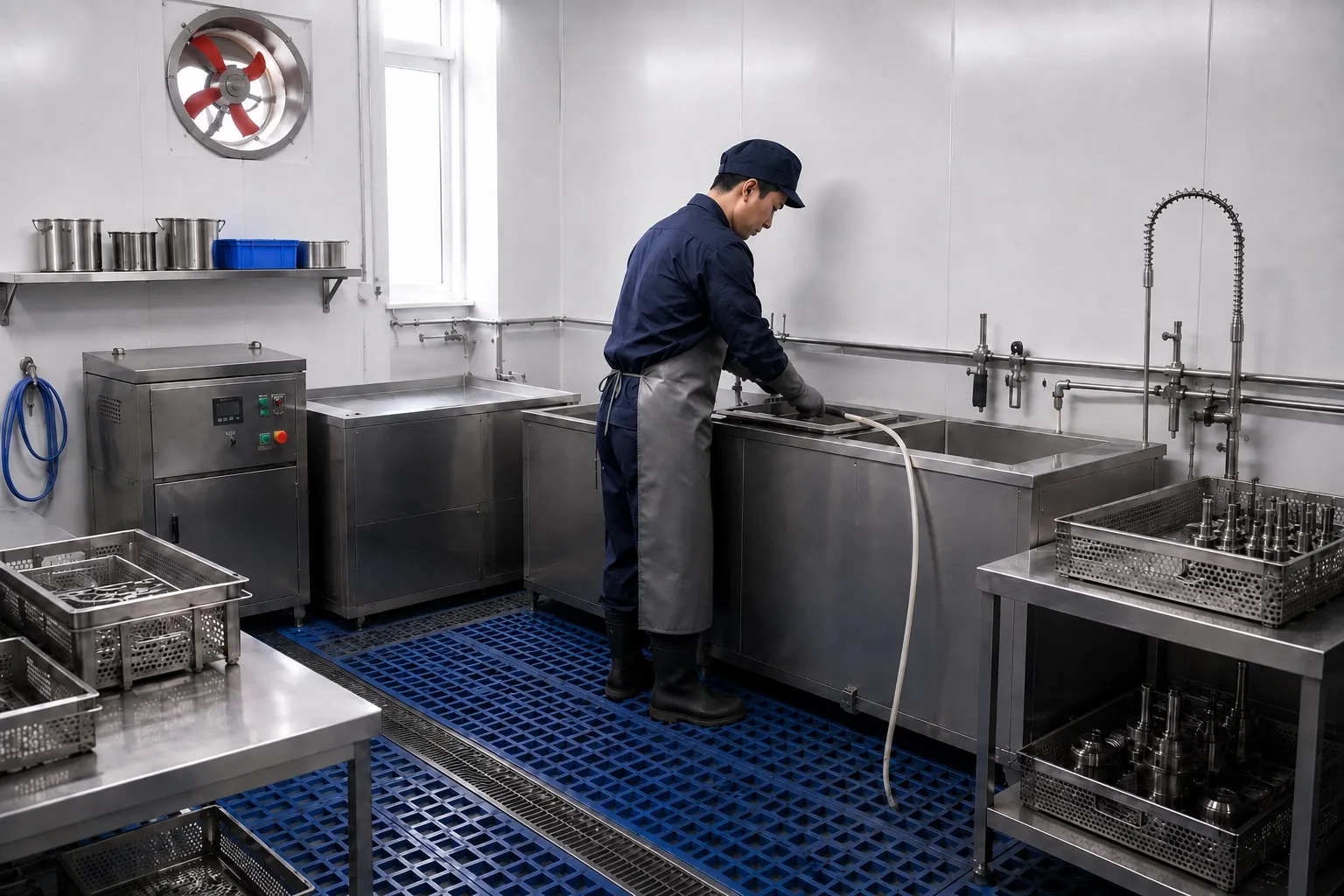
The departments this category runs through · named from the factory's own signage · see all twelve
Quote a rings run
Send the design, the material and the quantity. You get an itemised unit price, the tooling cost as its own line, and the compliance route for your market. Production runs on our own floor in Qingxi, Dongguan, Guangdong.
- 01Reply within one working day, Guangdong business hours.
- 02Itemised cost sheet — mold quoted separately, not folded into the unit price.
- 03NDA on request before any file is shared.