
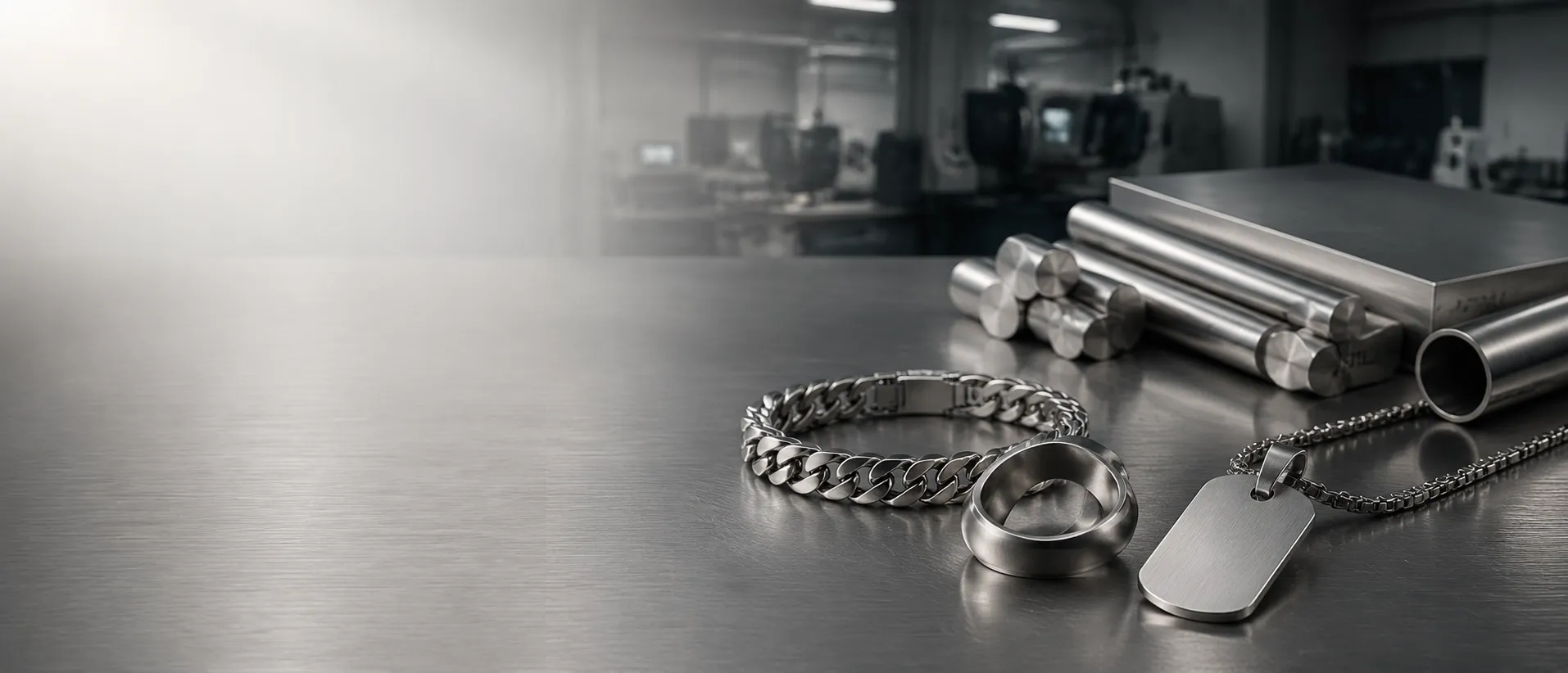
Stainless steel 316L
316L is the low-carbon, molybdenum-bearing austenitic stainless steel used for jewelry that has to survive daily wear, sweat and water. It contains 10–14% nickel and still passes the EU nickel-release limit — a contradiction that costs buyers real money when they get it wrong.
- Standard
- ASTM A276 / EN 1.4404
- Density
- 7.98 g/cm³
- Hardness
- 150–190 HV
- Corrosion
- Excellent
What 316L steel actually is
316L stainless steel is an austenitic chromium-nickel-molybdenum alloy specified as ASTM A276 / UNS S31603 in the United States and EN 1.4404 in Europe. Its composition is iron balance, chromium 16–18%, nickel 10–14%, molybdenum 2–3%, with carbon held at or below 0.03%. The "L" is that carbon ceiling, not a grade of quality.
Two elements do the work. Chromium forms a passive oxide film a few nanometres thick that re-forms within seconds when scratched — this is what makes stainless steel stainless. Molybdenum makes that film resistant to chloride ions specifically, which is why 316L survives sweat, seawater and chlorinated pool water where 304 develops pitting.
For a jewelry buyer this translates into three practical properties: the metal does not tarnish on the shelf or in transit, it does not need a protective plating to be sold bare, and it does not stain skin. Those three together are why 316L dominates the everyday-wear and men's jewelry segments.
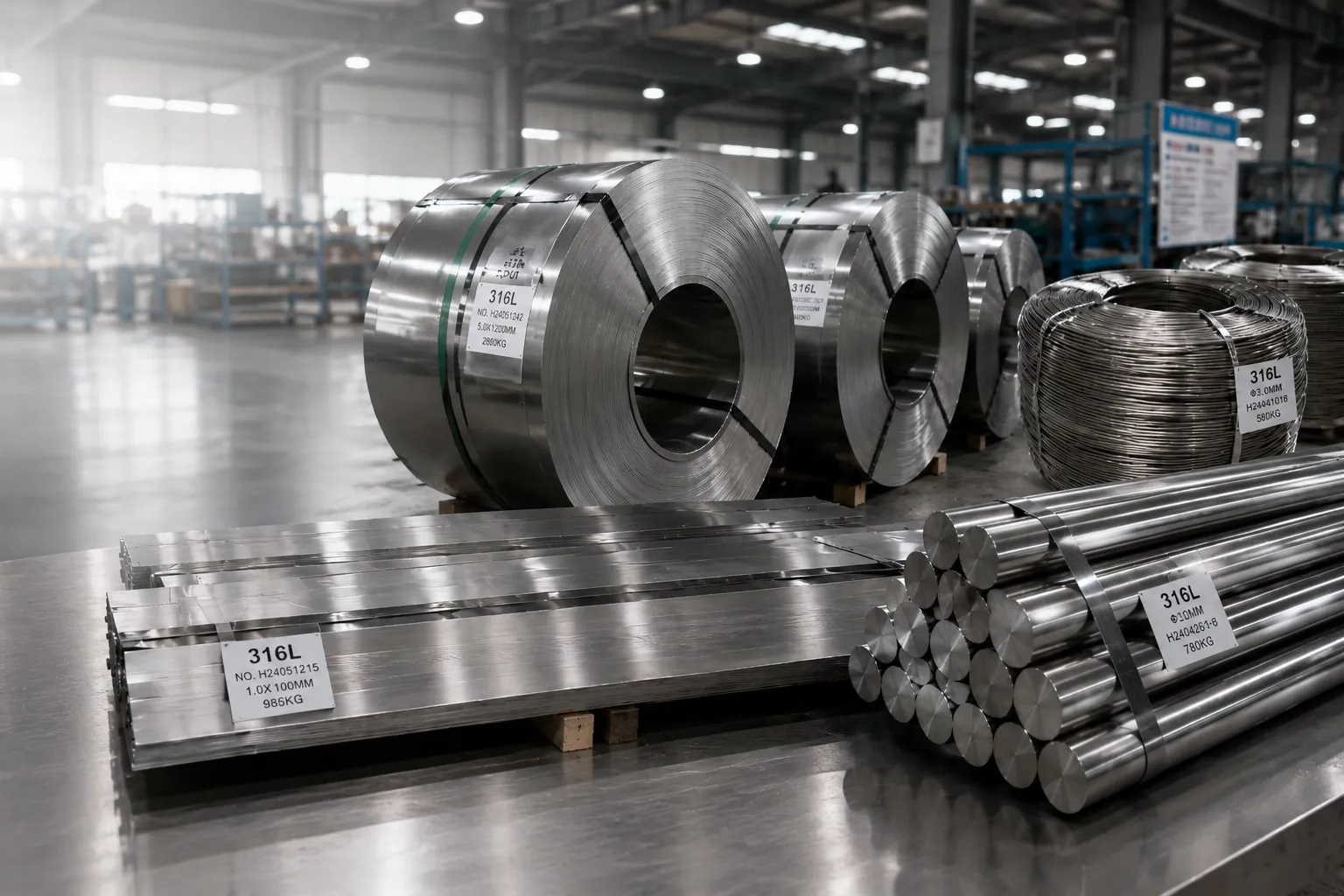
Measured properties
Values below are properties of the alloy as defined in ASTM A276 / EN 1.4404, not claims about this supplier. They can be checked against the standard independently.
| Standard designation | ASTM A276 / EN 1.4404 |
|---|---|
| Composition | Fe bal., Cr 16–18%, Ni 10–14%, Mo 2–3%, C ≤ 0.03% |
| Density | 7.98 g/cm³ |
| Hardness (Vickers) | 150–190 HV (annealed) |
| Melting point | 1370–1400 °C |
| Corrosion resistance | Excellent |
| Plating & finishing | PVD, IP, electroplating (gold, rose, black) |
| Nickel-safe for skin contact | Yes — passes EN 1811 by composition or alloy behaviour |
Hardness is typical for the annealed or as-supplied condition and rises with cold work. Consult the standard for the full specification.
Nickel release and skin contact
Contains 10–14% Ni but releases far below the EN 1811 limit — the alloy is austenitic and the nickel is locked in the matrix, not free at the surface.
| Application | Limit under REACH Annex XVII entry 27 | Test method | 316L |
|---|---|---|---|
| Pierced ears, during epithelialisation | 0.2 µg/cm²/week | EN 1811 | Passes |
| Prolonged skin contact (rings, chains, watch cases) | 0.5 µg/cm²/week | EN 1811 after EN 12472 | Passes |
| Coated items | Limit must hold for 2 years of normal use | EN 12472 wear simulation, then EN 1811 | Passes |
Limits are set by REACH Annex XVII entry 27 and are independent of supplier. A batch-specific test report is what proves a particular production run complies — ask for it.
Finishing options
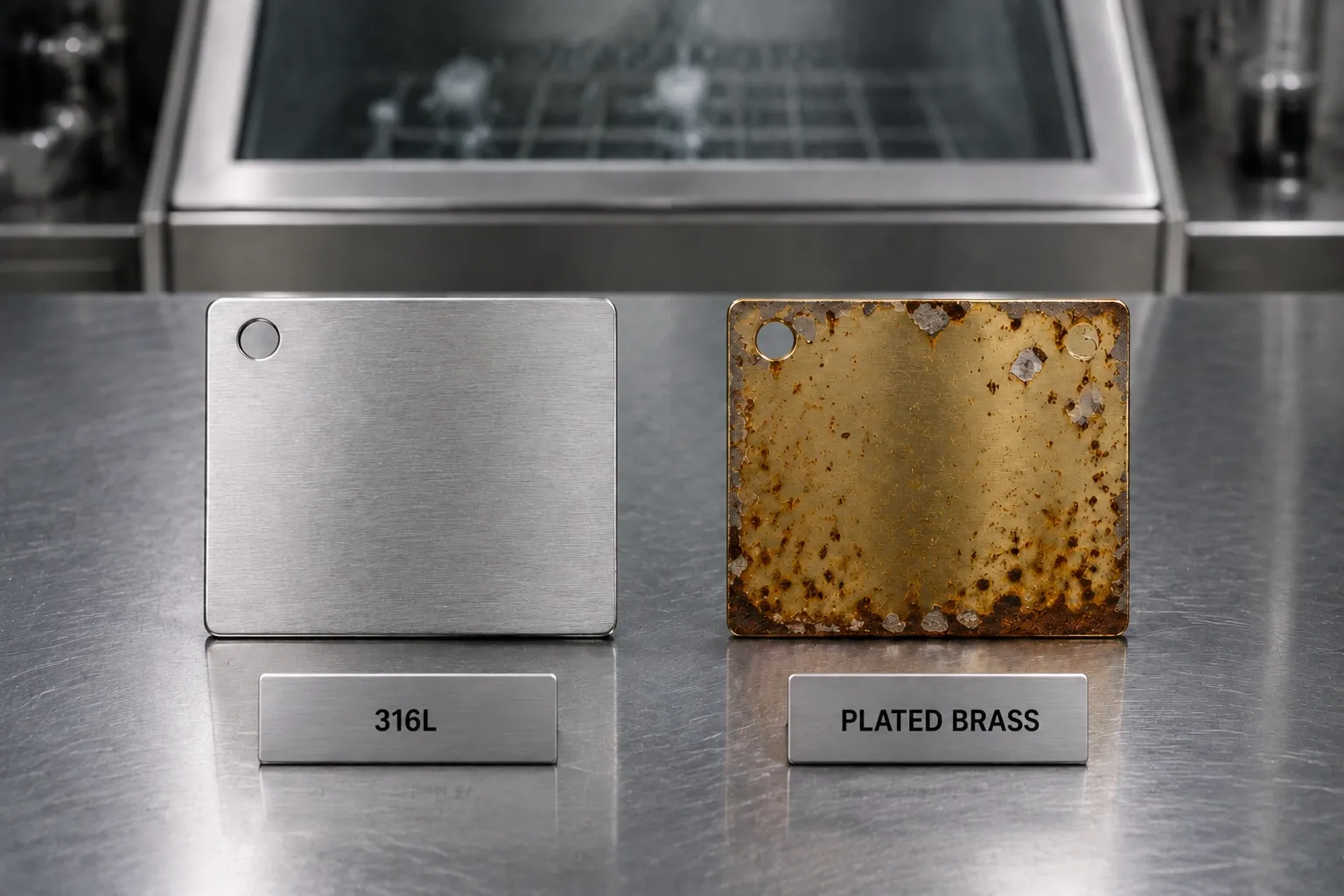
316L accepts both mechanical and deposited finishes. Because the base metal is already corrosion-stable, a finish on 316L is chosen for appearance and wear life rather than for protection — which is the opposite of the situation with brass or zinc alloy.
| Finish | Typical thickness | How it behaves in wear | Notes |
|---|---|---|---|
| PVD / IP coating | 0.3–1.0 µm | Hardest option; colour survives years of daily wear | Titanium-nitride family, vacuum-deposited. Best match for 316L. |
| Gold electroplating | 0.1–3 µm | Wears through at contact points before PVD would | Widest colour range and lowest tooling cost. |
| Mirror polish | — | Shows fine scratches with wear | Mechanical; no coating to fail. |
| Satin / brushed | — | Hides scratches well | Mechanical; the standard men's-jewelry finish. |
| Bead blast | — | Matte, uniform, hides handling marks | Mechanical; often paired with black PVD. |
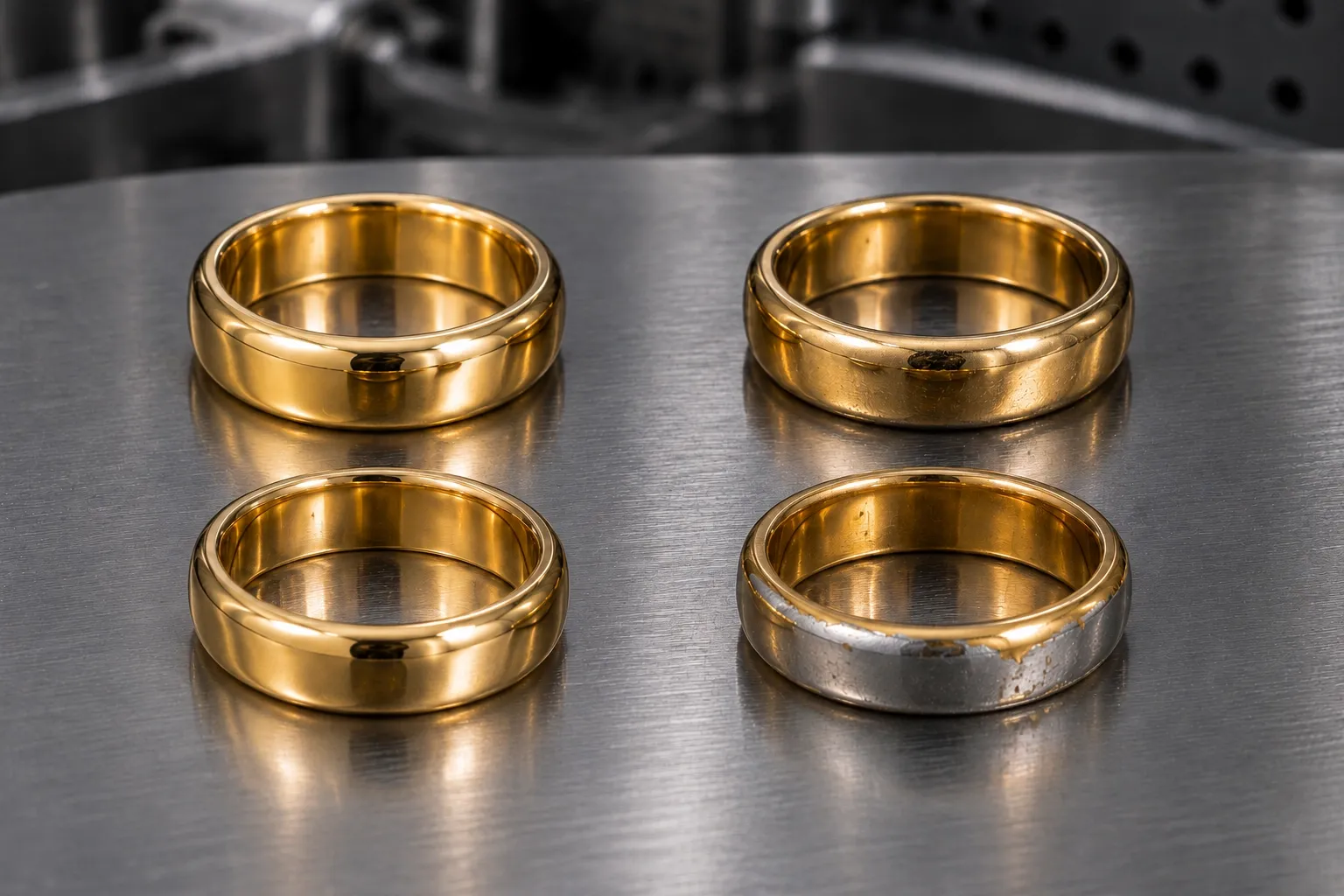
Specify plating in microns, never by colour name. Two quotes described as '18k gold plated' can differ tenfold in thickness and therefore in how long the colour lasts.
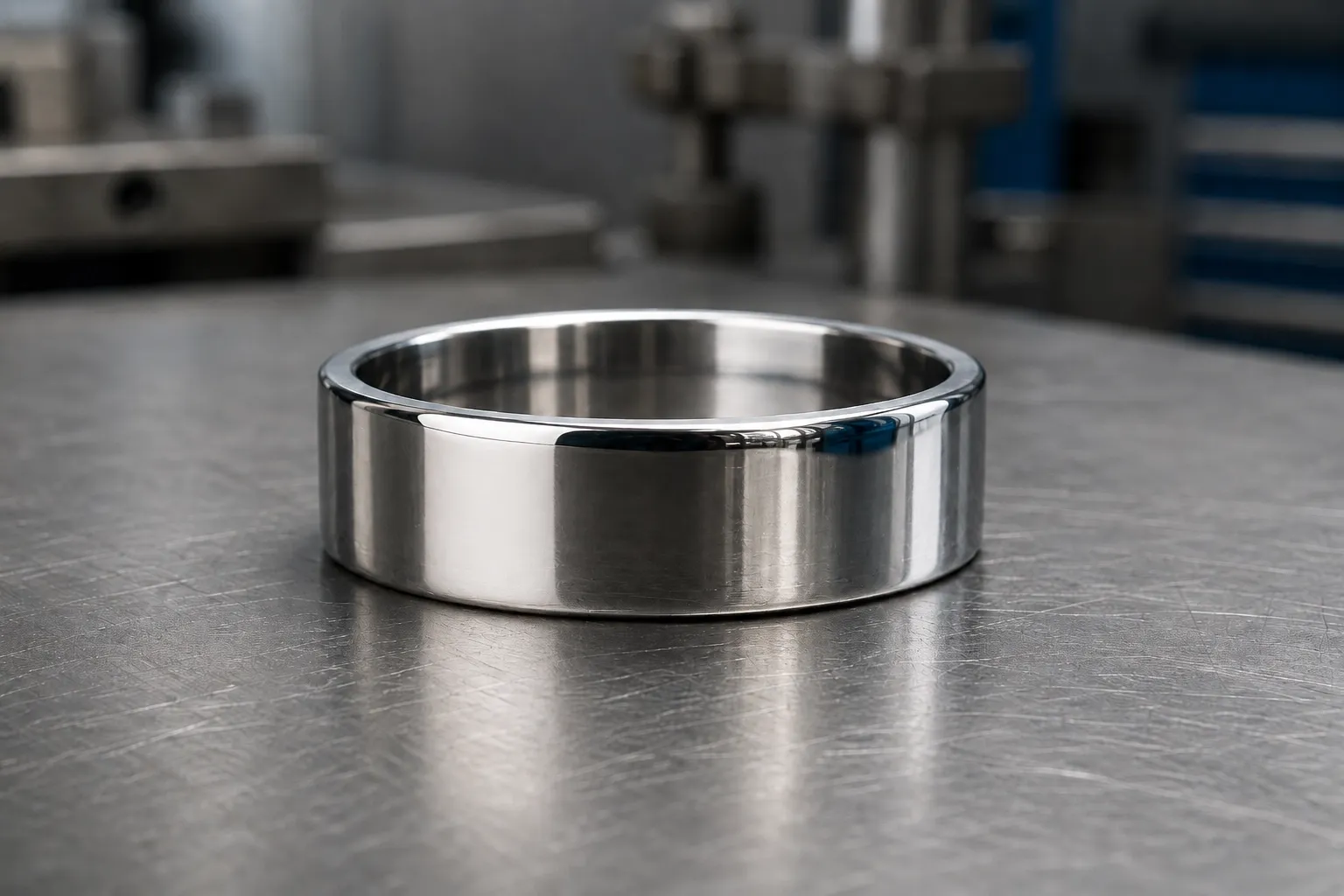
01Mirror polishMechanical — no coating to fail 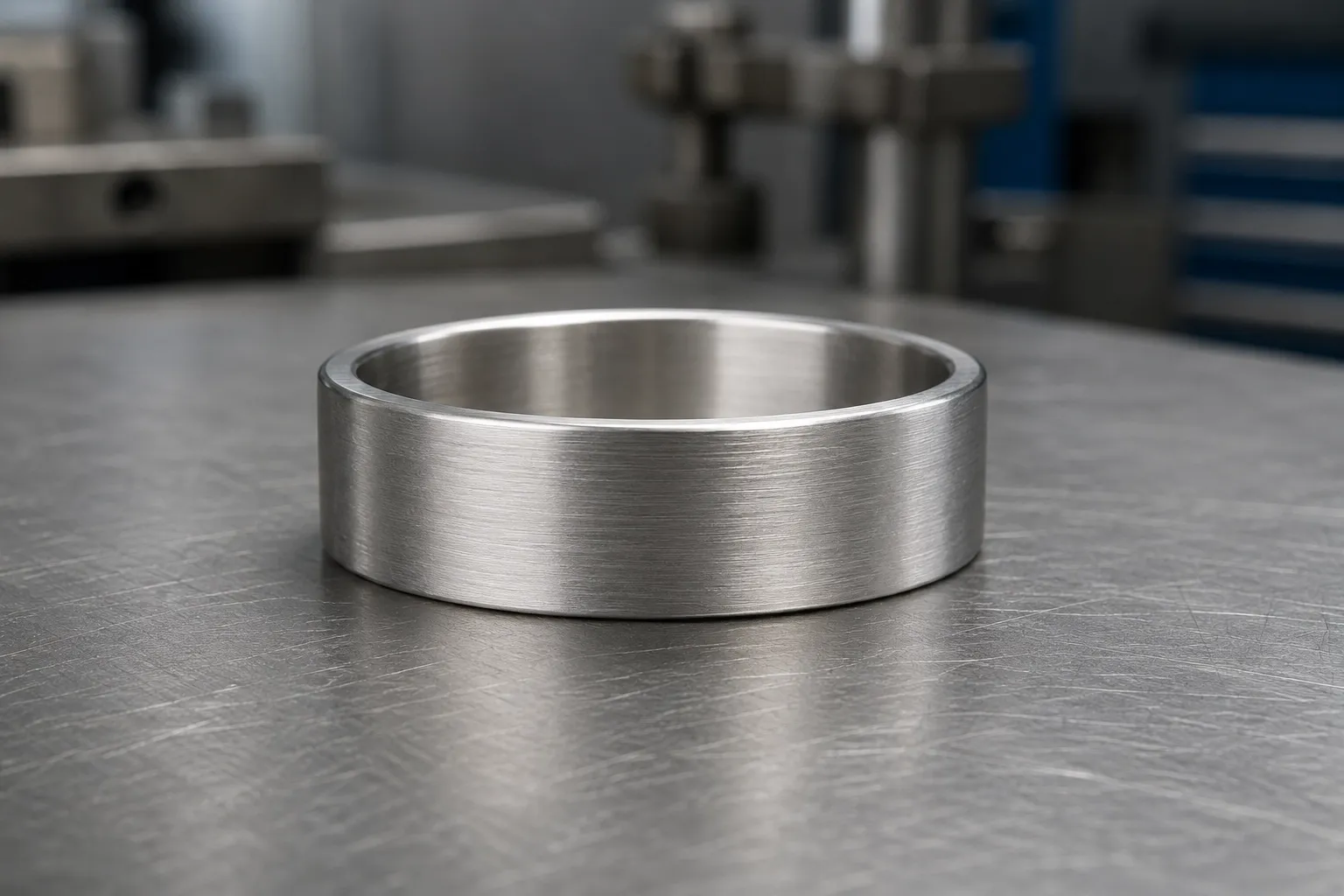
02Satin / brushedMechanical — hides wear scratches 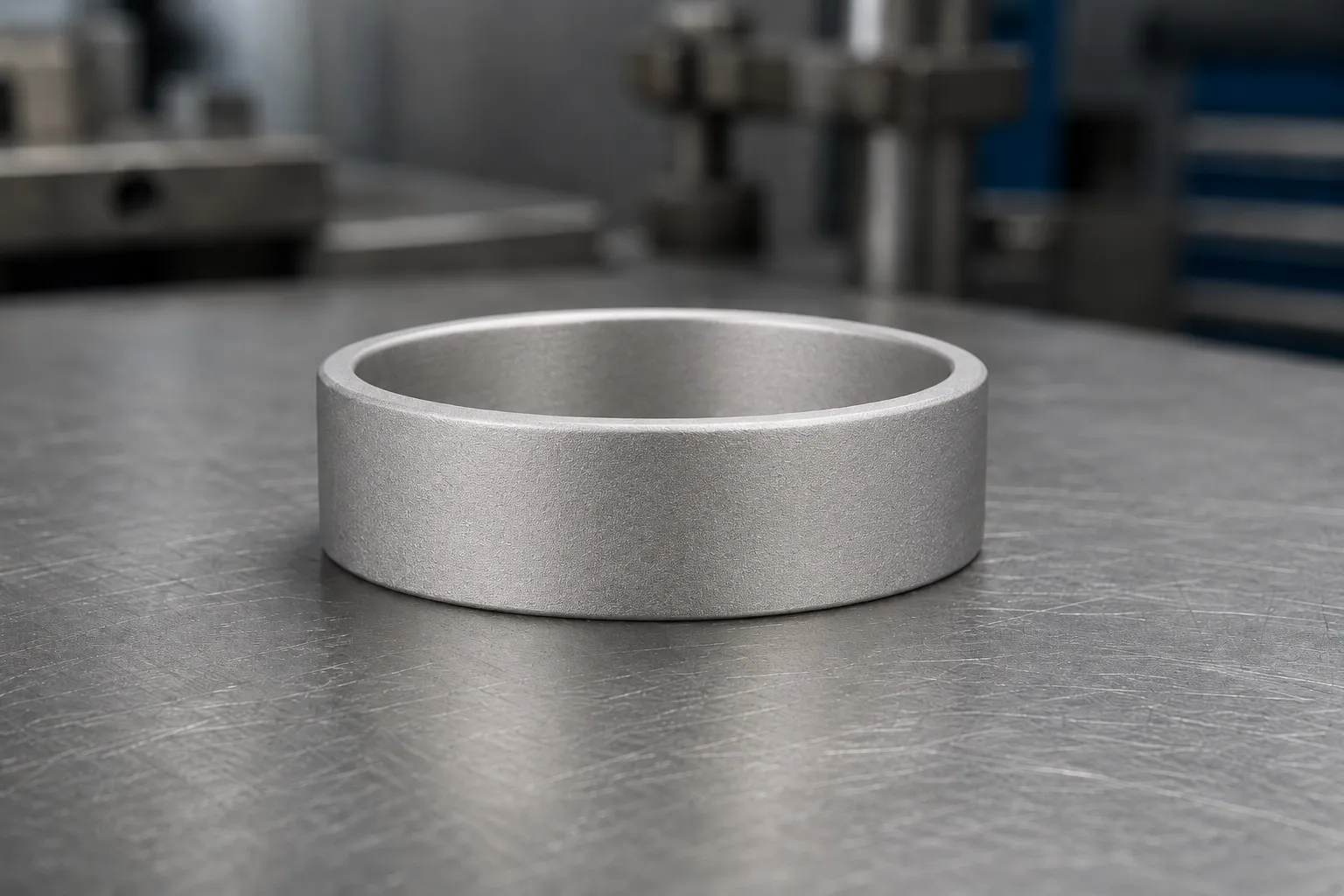
03Bead blastMechanical — matte, uniform 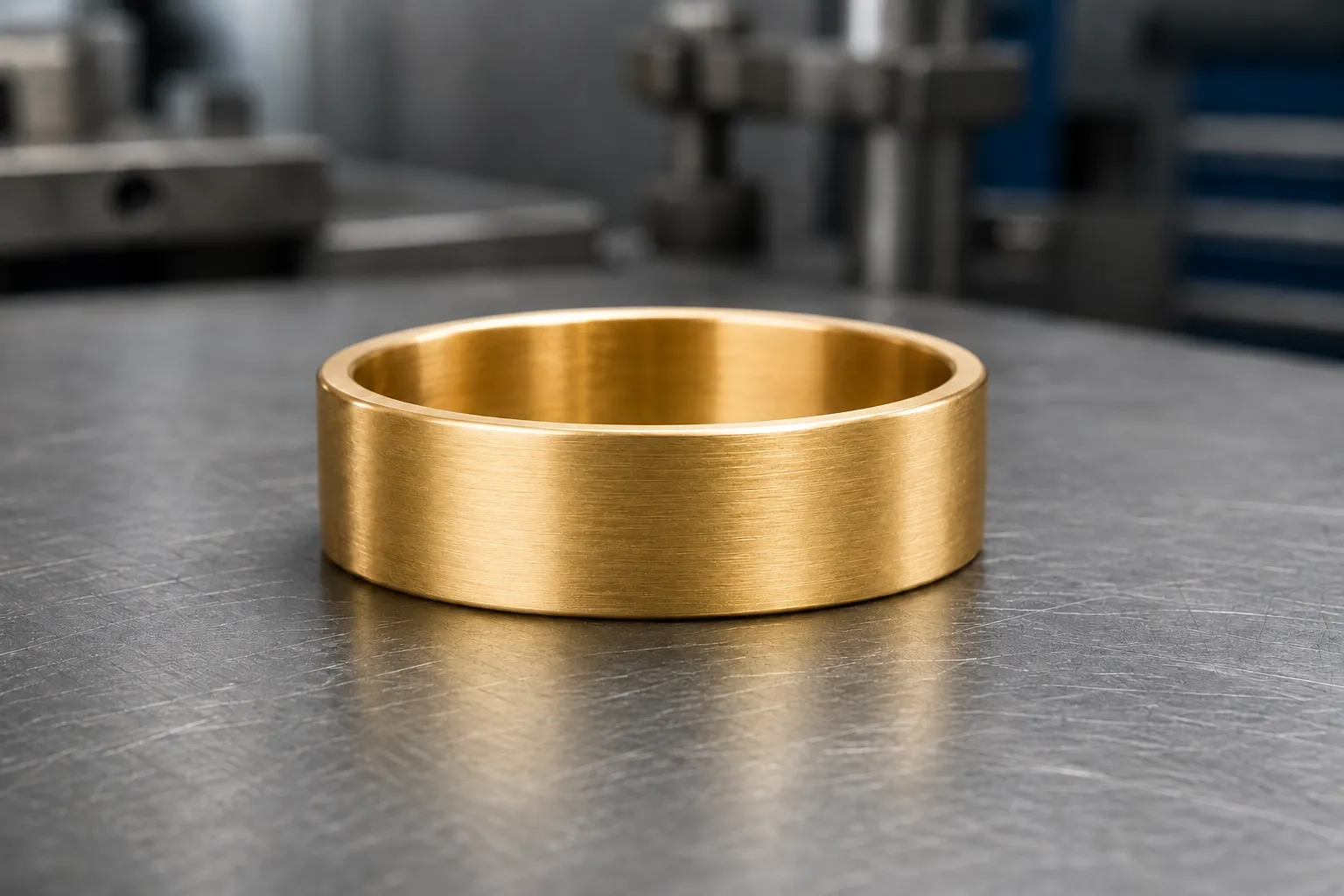
04GoldPVD 0.3–1.0 µm · plating 0.1–3 µm 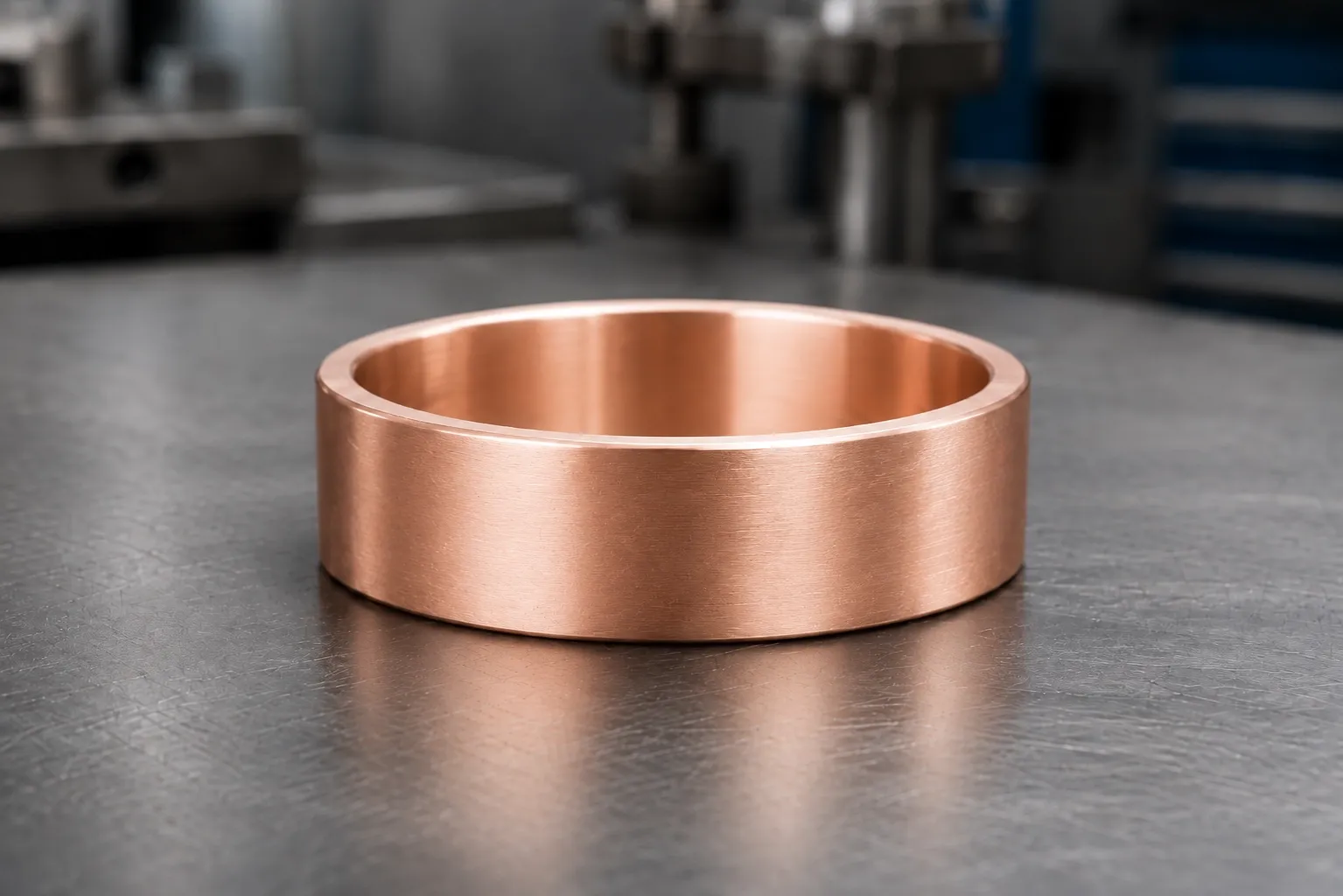
05Rose goldPVD 0.3–1.0 µm · plating 0.1–3 µm 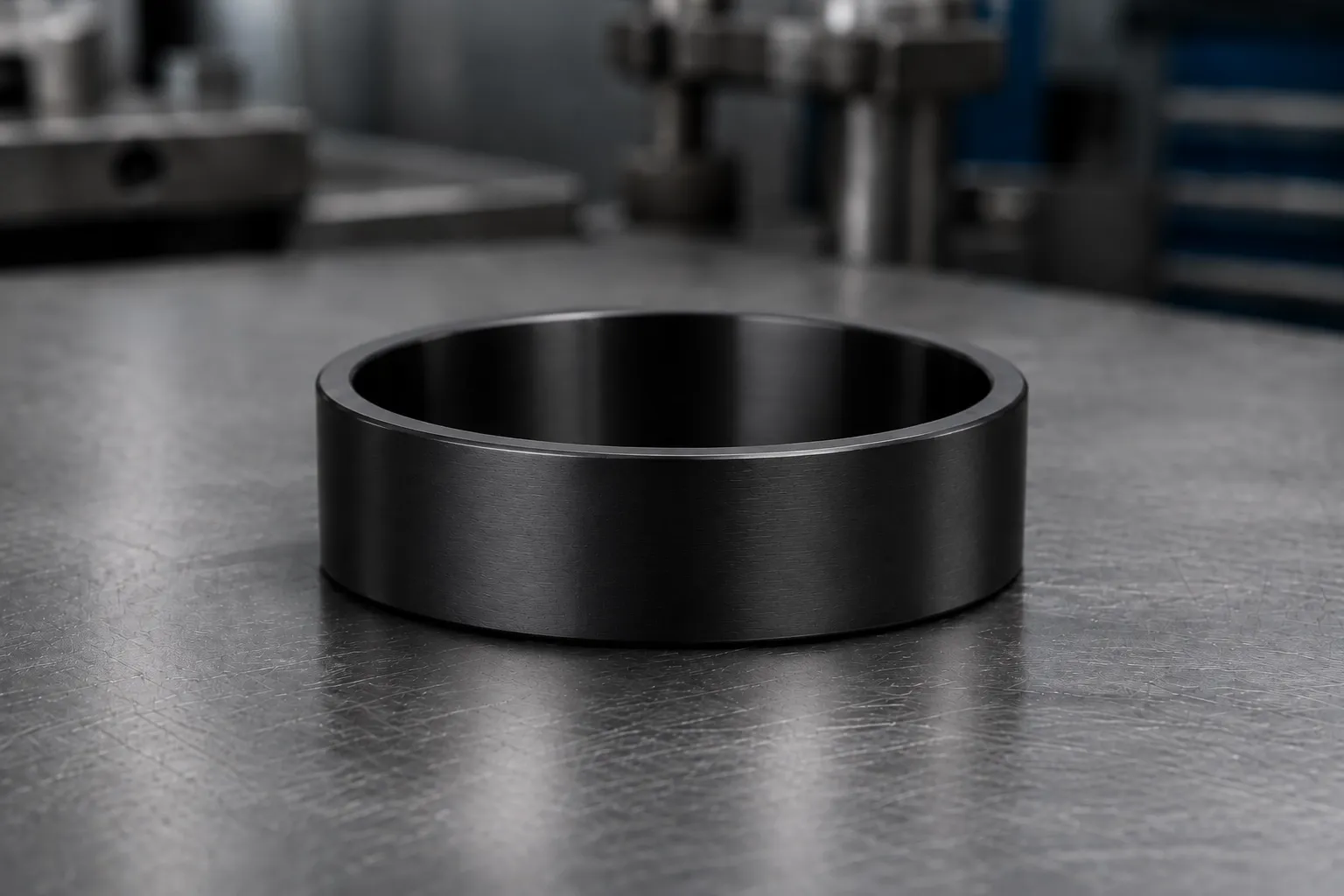
06BlackPVD — titanium-nitride family 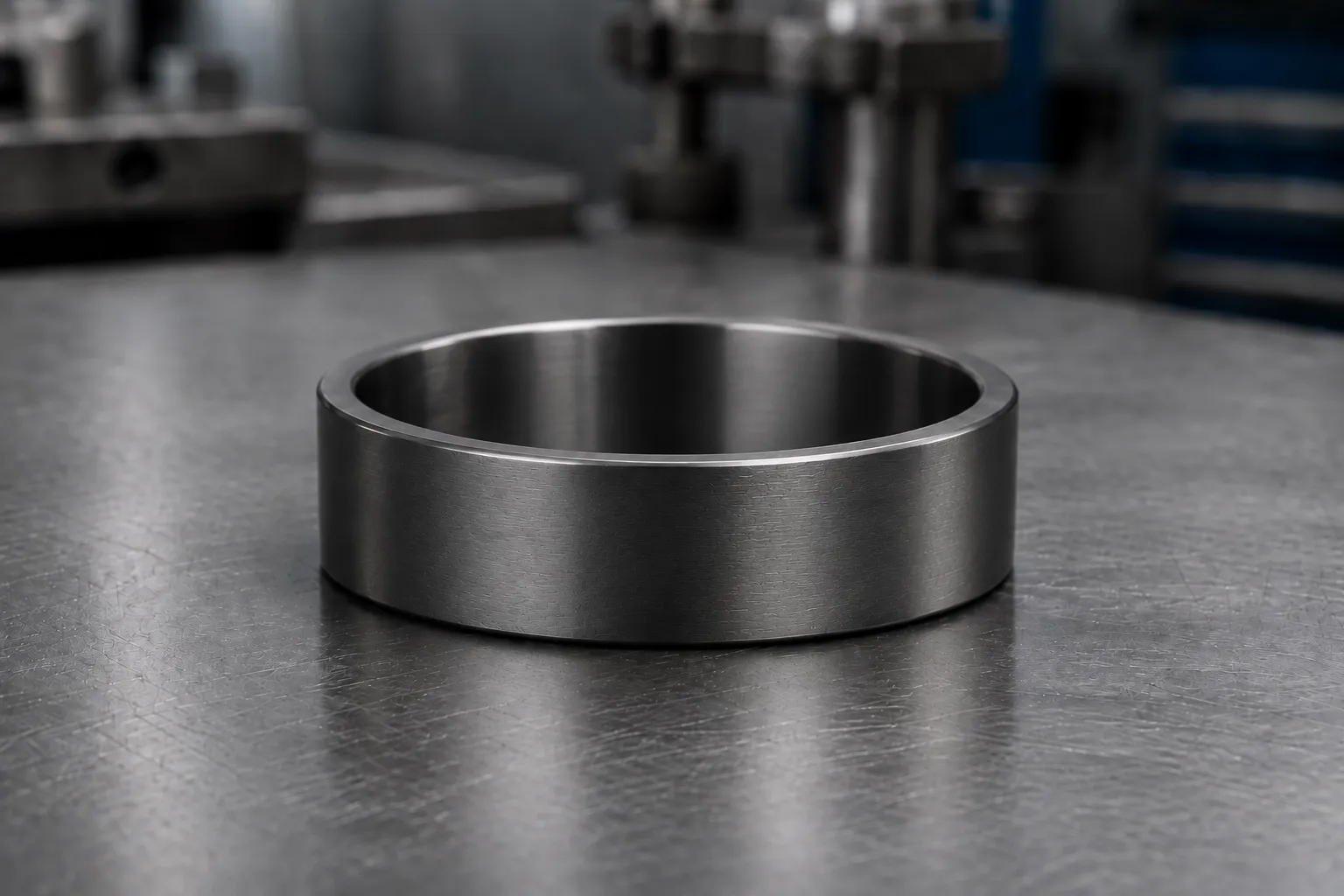
07GunmetalIP coating
Swipe · 7 styles
Which categories suit 316L
| Category | Suitability | Why | Usual process |
|---|---|---|---|
| Rings | Strong | Survives daily wear without plating; hardness resists deformation | CNC machining, stamping |
| Chains | Strong | No tarnish, high tensile strength at small link sizes | Chain making, laser welding |
| Cufflinks & men's | Strong | Brushed and satin finishes suit the segment; no maintenance | Stamping, CNC |
| Earrings | Good | Passes EN 1811, but titanium is safer for sensitised wearers | Stamping, laser cutting |
| Bracelets & bangles | Good | Rigid forms hold shape; heavier than titanium at the same size | Stamping, forming |
| Pendants | Conditional | Fine organic detail is hard to achieve — cast brass or silver instead | Stamping, laser cutting |
Compared with the alternatives
The choice between 316L and its alternatives comes down to three trade-offs: whether the piece must survive skin contact without a coating, whether the design needs fine cast detail, and whether the buyer is selling on metal value. 316L wins the first, loses the second, and does not compete in the third.
| Material | Standard | Density g/cm³ | Hardness HV | Corrosion | Raw cost | Nickel-safe bare |
|---|---|---|---|---|---|---|
| Stainless steel 316L | ASTM A276 / EN 1.4404 | 7.98 | 150–190 HV | Excellent | $$$$$ | Yes |
| Titanium (Grade 2 / Grade 5) | ASTM B348 Gr.2 / Gr.5 (Ti-6Al-4V) | 4.51 | 145 HV | Excellent | $$$$$ | Yes |
| Sterling silver 925 | ASTM B700 / EN ISO 9202 (925 fineness) | 10.36 | 60–80 HV | Tarnishes | $$$$$ | Yes |
| Brass (C2600 / C3604) | ASTM B36 / EN CW508L | 8.47 | 95–130 HV | Tarnishes and patinas | $$$$$ | Plating-dependent |
| Zinc alloy (Zamak 3 / 5) | ASTM B86 (Zamak 3 / Zamak 5) | 6.6 | 80–100 HV | Poor bare | $$$$$ | Plating-dependent |
| Copper & bronze | ASTM B152 (Cu) / ASTM B505 (bronze) | 8.96 (Cu) · 8.8 (bronze) | 50–100 HV | Patinas | $$$$$ | Plating-dependent |
Raw cost is a relative ranking of metal stock only. Metal is one line in a unit price — see the manufacturing cost breakdown.
What to watch out for
Hard to cast finely — 316L is normally stamped, CNC-machined or laser-welded rather than lost-wax cast. Intricate organic shapes may need brass or silver instead.
316L steel — buyer questions
Each answer stands alone and can be read without the rest of this page.
Is 316L stainless steel jewelry hypoallergenic if it contains nickel?
Yes, for the great majority of wearers. 316L contains 10–14% nickel, but the alloy is austenitic and the nickel is bound in the crystal structure rather than free at the surface, so measured release sits well below the EU limit of 0.5 µg/cm²/week for prolonged skin contact and below the stricter 0.2 µg/cm²/week limit for pierced-ear items. A small number of people with severe nickel sensitisation still react, and titanium is the safer specification for that market.
What is the difference between 316L and 304 stainless steel for jewelry?
316L adds 2–3% molybdenum, which 304 does not contain, and holds carbon at or below 0.03%. The molybdenum sharply improves resistance to chloride pitting — sweat, seawater and swimming-pool water — and the low carbon prevents carbide precipitation at weld seams. 304 is cheaper and adequate for display pieces or components that do not sit against skin; 316L is the correct specification for anything worn daily.
Does 316L stainless steel jewelry rust or turn skin green?
No. The chromium content forms a self-repairing passive oxide film, and the molybdenum resists chloride attack, so 316L does not rust in ordinary wear and does not leave green marks the way copper and brass do. Surface staining that does appear is almost always deposited residue — soap, lotion or cosmetics — rather than corrosion of the metal.
Can 316L stainless steel be cast into detailed jewelry shapes?
Only with difficulty. 316L melts at 1370–1400 °C, which is far above the range that ordinary jewelry investment casting is built for, and fine detail tends to come out soft. The standard routes for 316L are stamping, CNC machining, laser cutting and laser welding. A design with intricate organic detail is usually better cast in brass or 925 silver, then plated.
What finishes can be applied to 316L stainless steel?
PVD and IP coating are the strongest match: the coating is deposited in a vacuum chamber and bonds harder than the base metal, and 316L's melting point is far above the chamber temperature. Conventional gold and rose-gold electroplating also works, as do mirror polish, satin, brushed and bead-blast mechanical finishes. Electroplated colour on stainless steel wears faster than PVD on the same part.
How does 316L compare with titanium on price and weight?
Titanium raw stock costs several times more than 316L per kilogram, but titanium's density is 4.51 g/cm³ against 7.98 g/cm³ for 316L, so a given shape uses roughly 44% less metal by weight. For small pieces the metal cost gap narrows; for heavy chains and rings 316L is substantially cheaper. Titanium is nickel-free by composition, which is the deciding factor for pierced-ear products.
Not answered here? All buyer questions →
Quote a 316L steel run
Send the category, the finish and the quantity. You get an itemised unit price, the mold cost as a separate line, and the compliance route for your market.
- 01Reply within one working day, Guangdong business hours.
- 02Itemised cost sheet — mold quoted separately, not folded into the unit price.
- 03NDA on request before any file is shared.